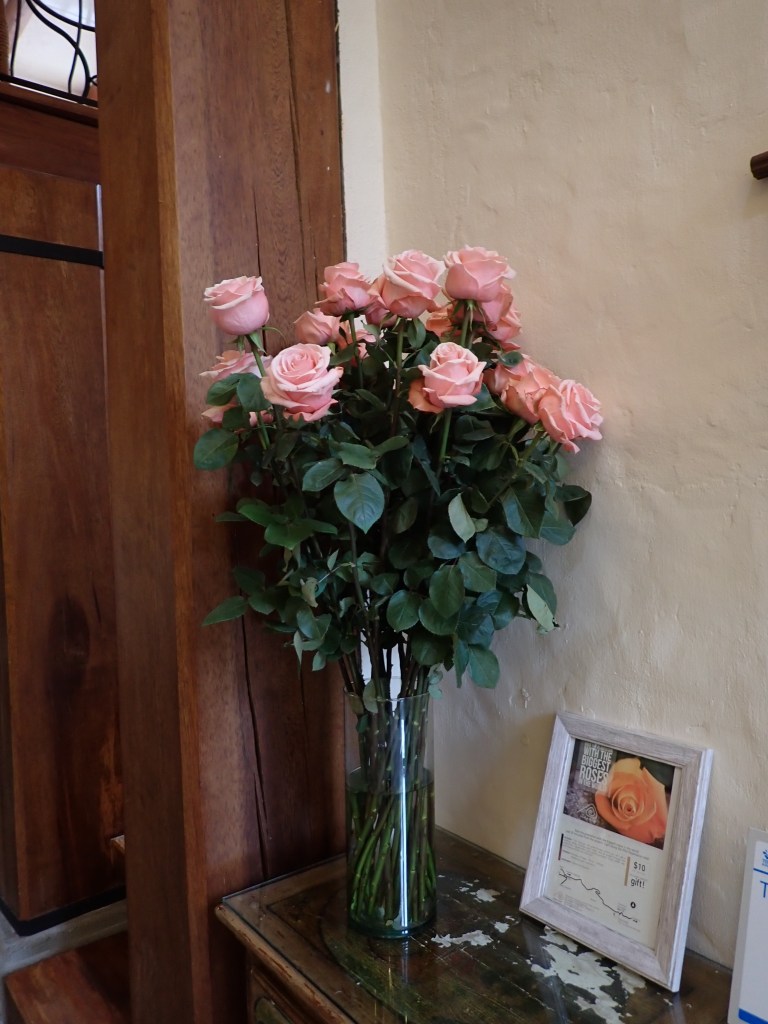
When I flew in to Quito it was late in the evening. I did not see the massive greenhouses that blanketed the hillsides around Quito and up and down the “Avenue of the Volcanoes” from Cayambe to Cotopaxi. Apparently in the 1980’s, the world began looking at Ecuador as an extra special place to grow roses – along the equator, the roses, with constant temperatures and sunlight, grew straight up, had massive stems and blooms. The volcanic soils above 10,000′ rounded out the near perfect growing conditions. Ecuador now produces about 500 varieties of roses to the tune of 1.1 billion dollars (2023.) They are third behind the Netherlands and Colombia in cut flower exports. We were fortunate in our travels to see just a small number of these beautiful roses – mostly adorning the tables and hallways of the various hotels we stayed in.
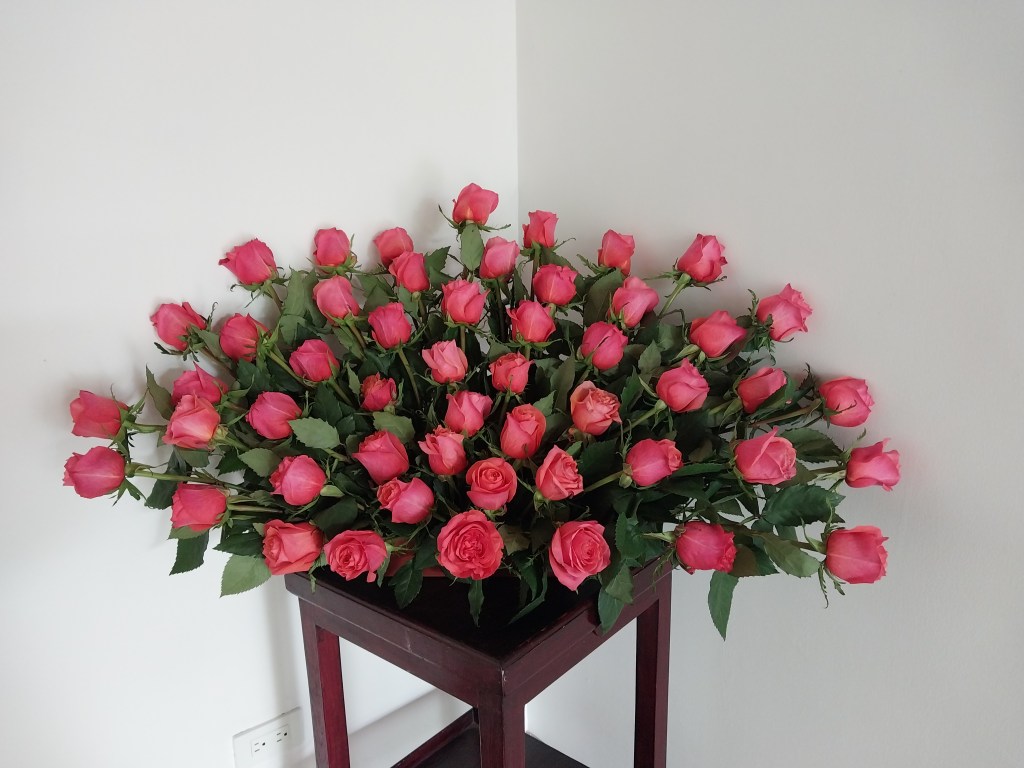
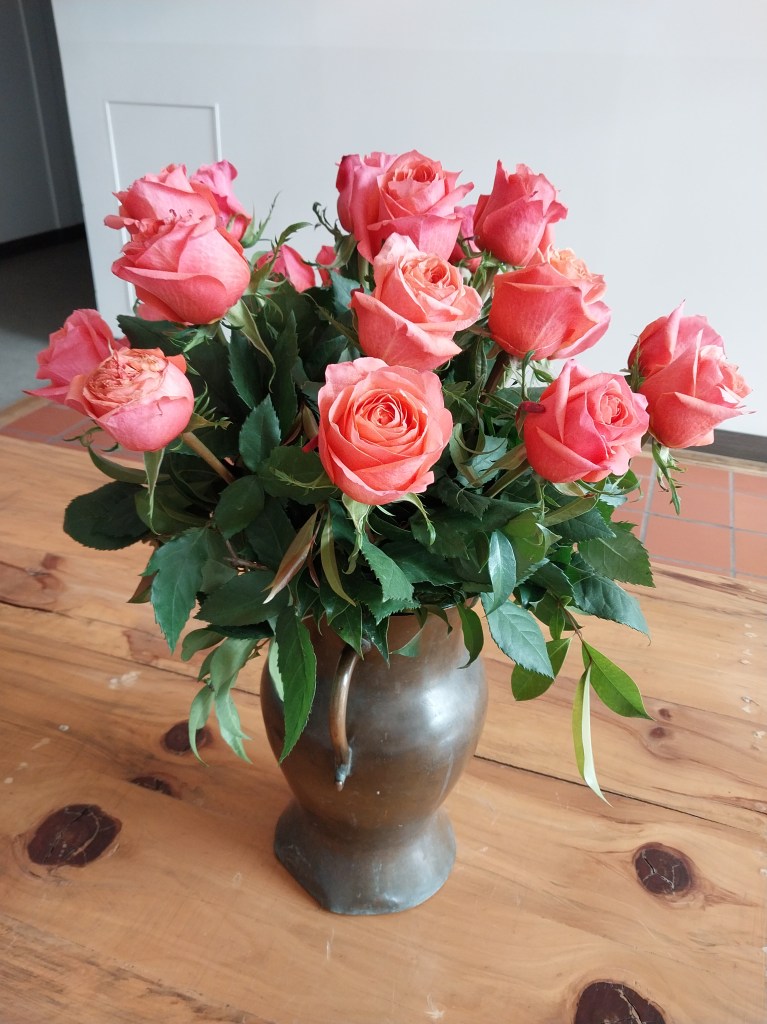
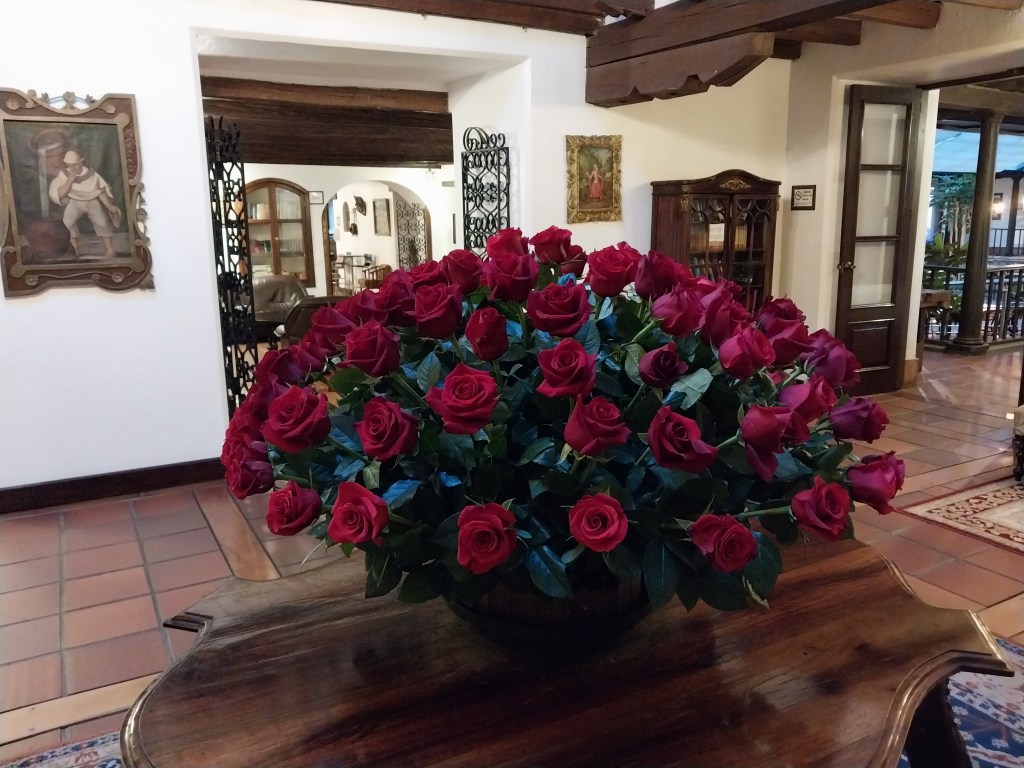
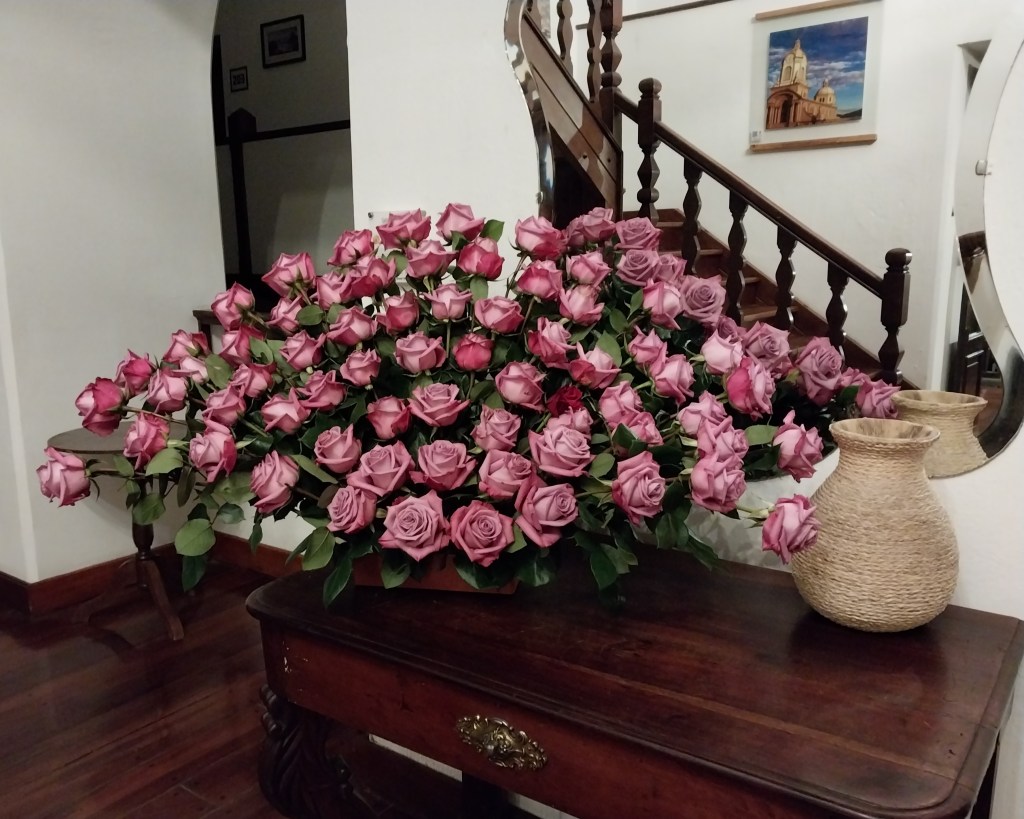
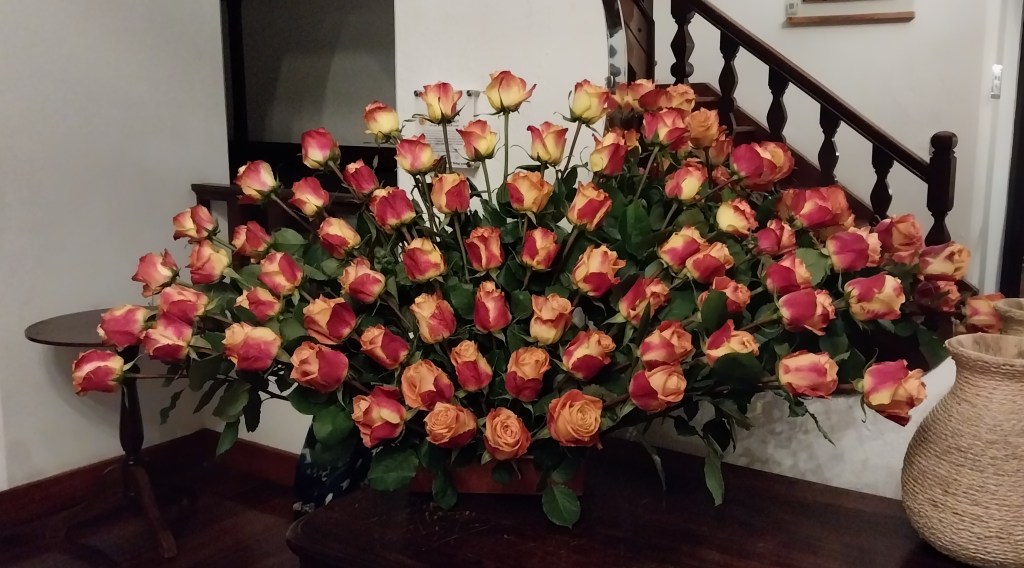
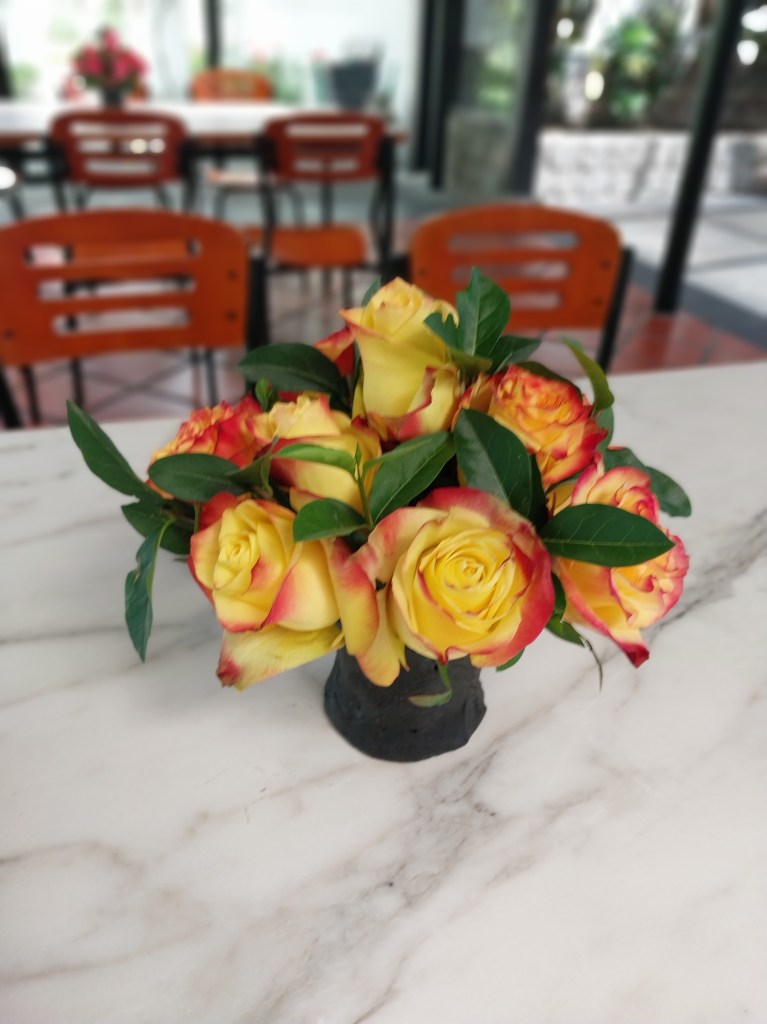
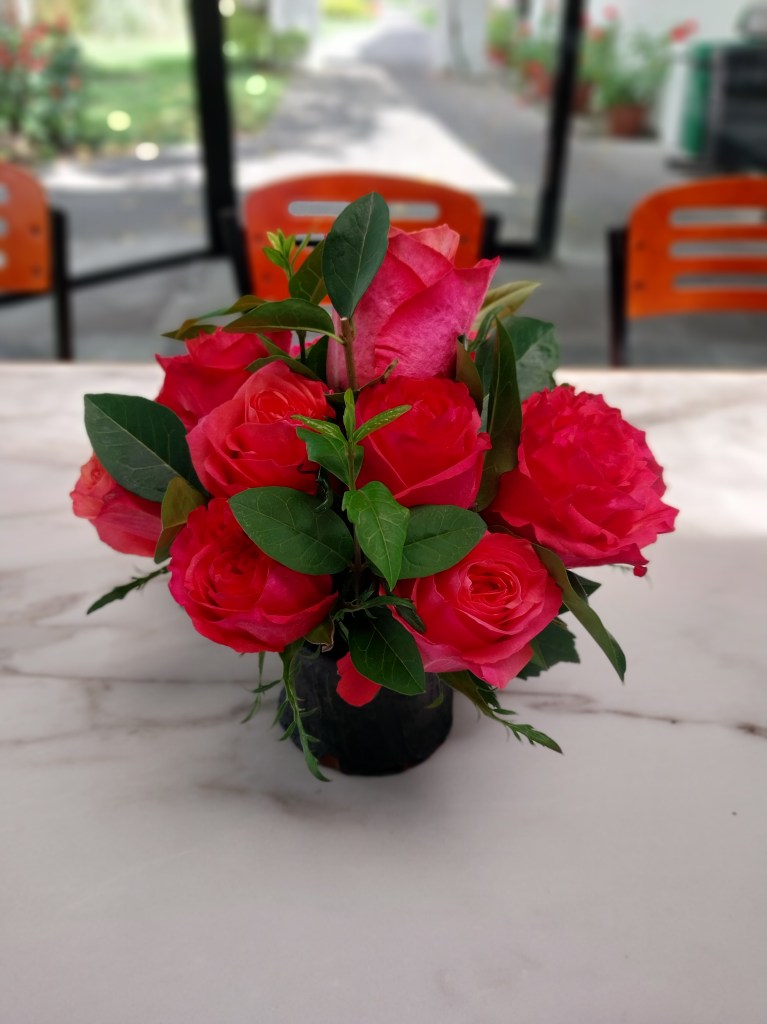
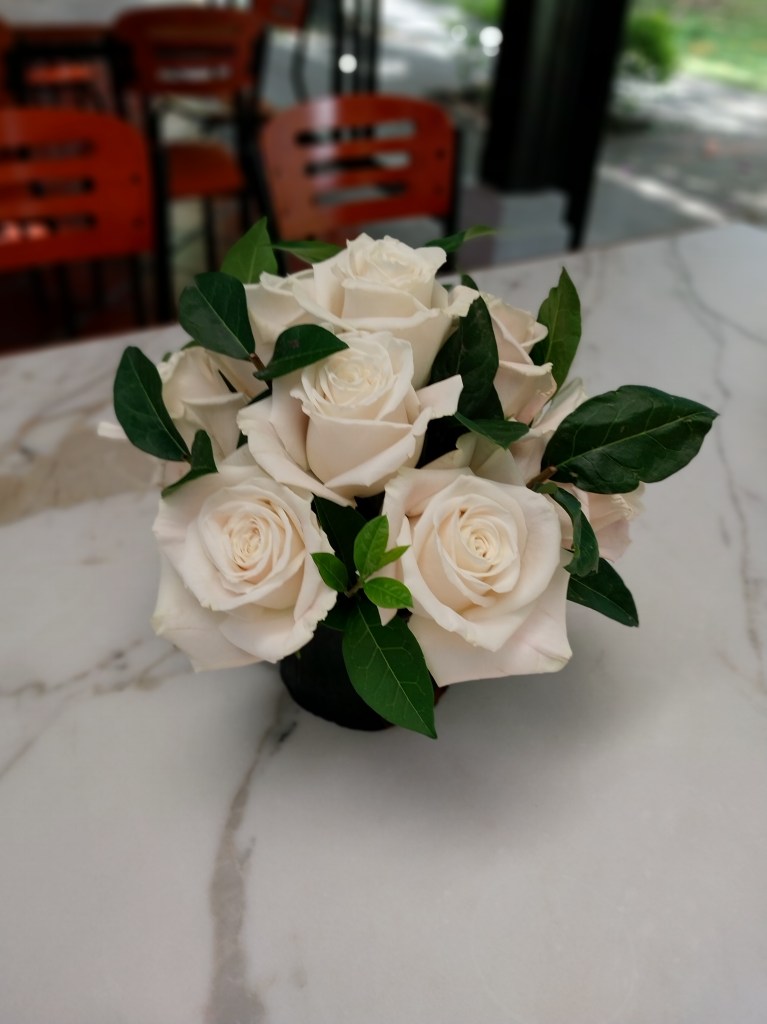
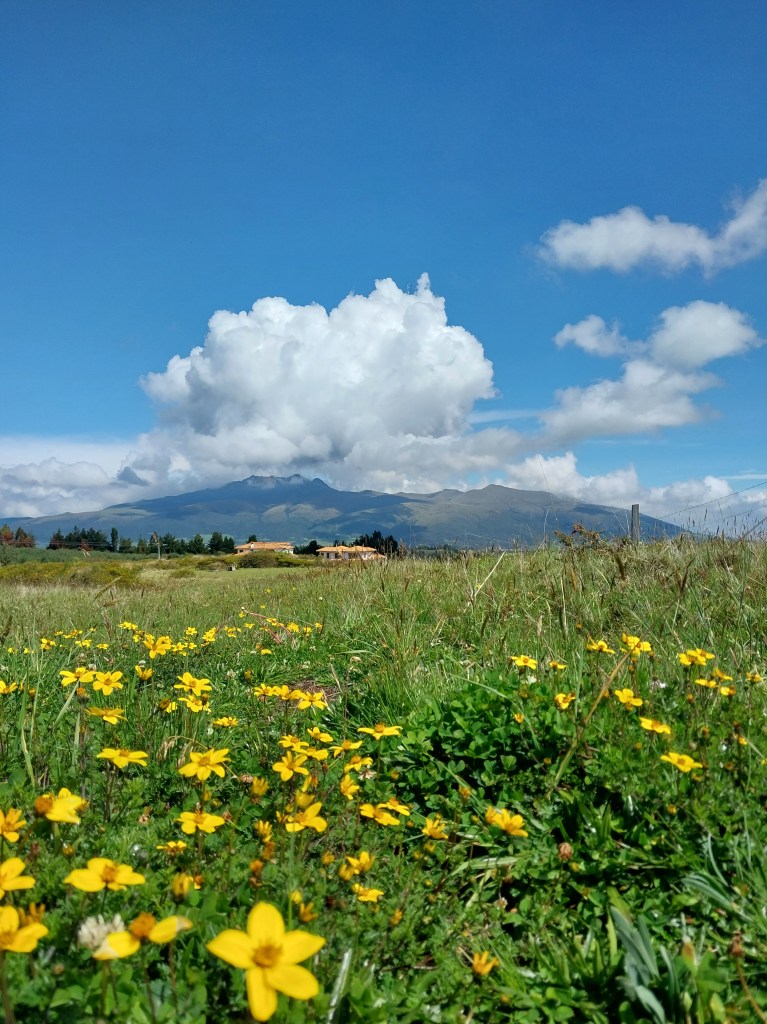
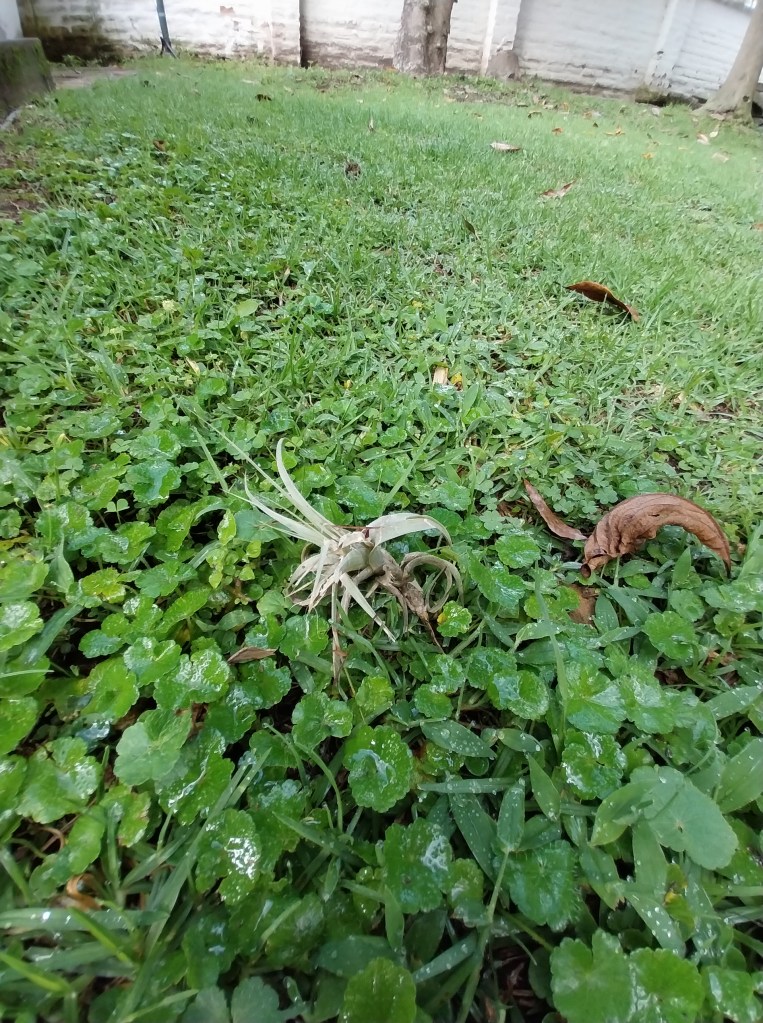
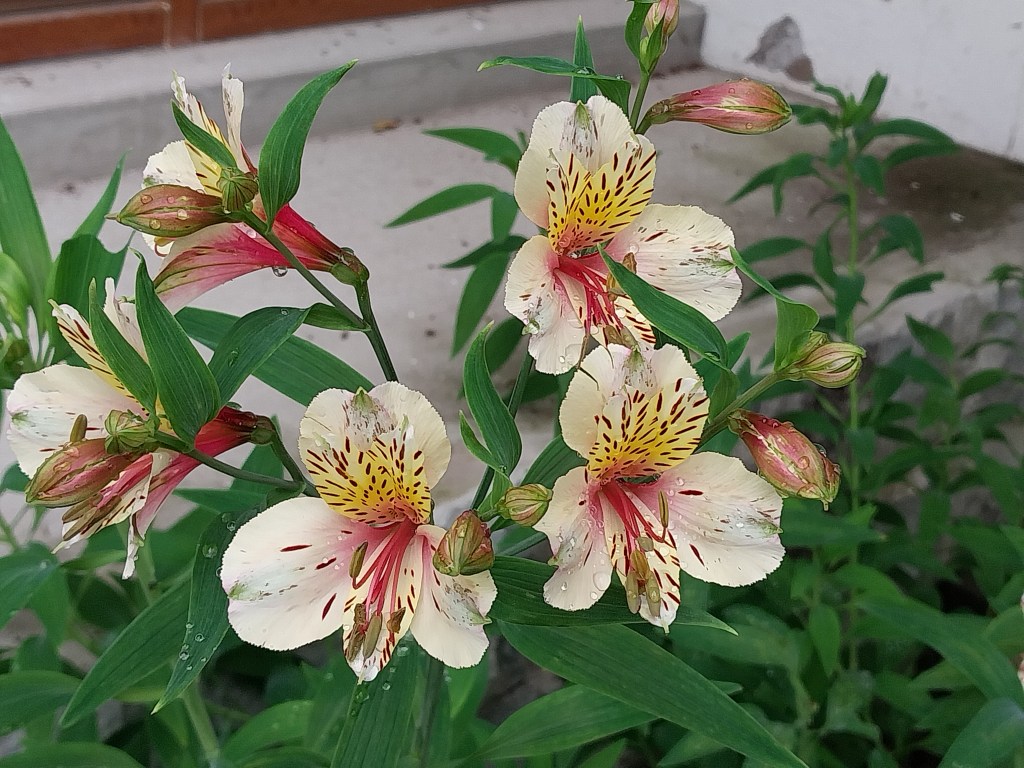
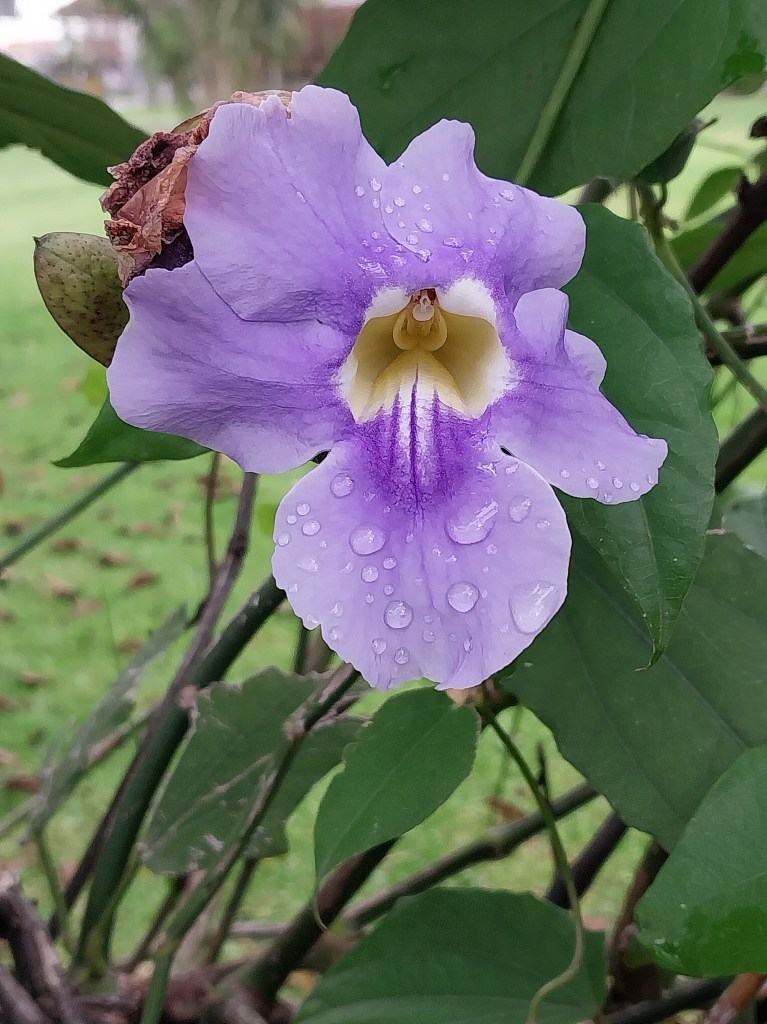
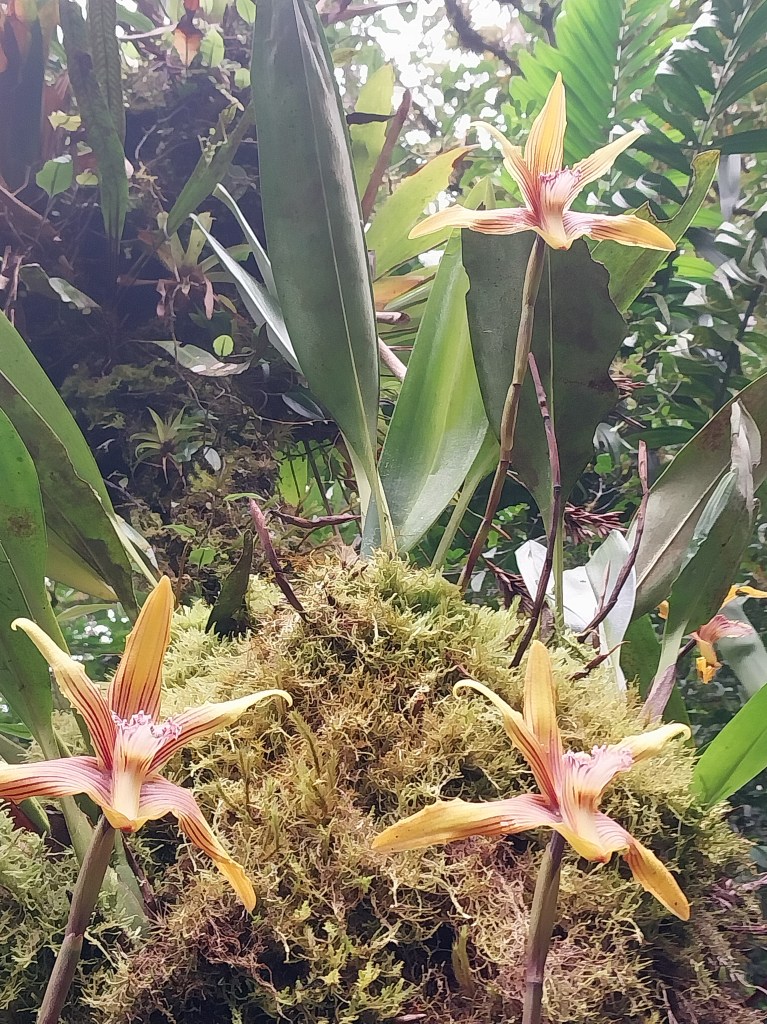
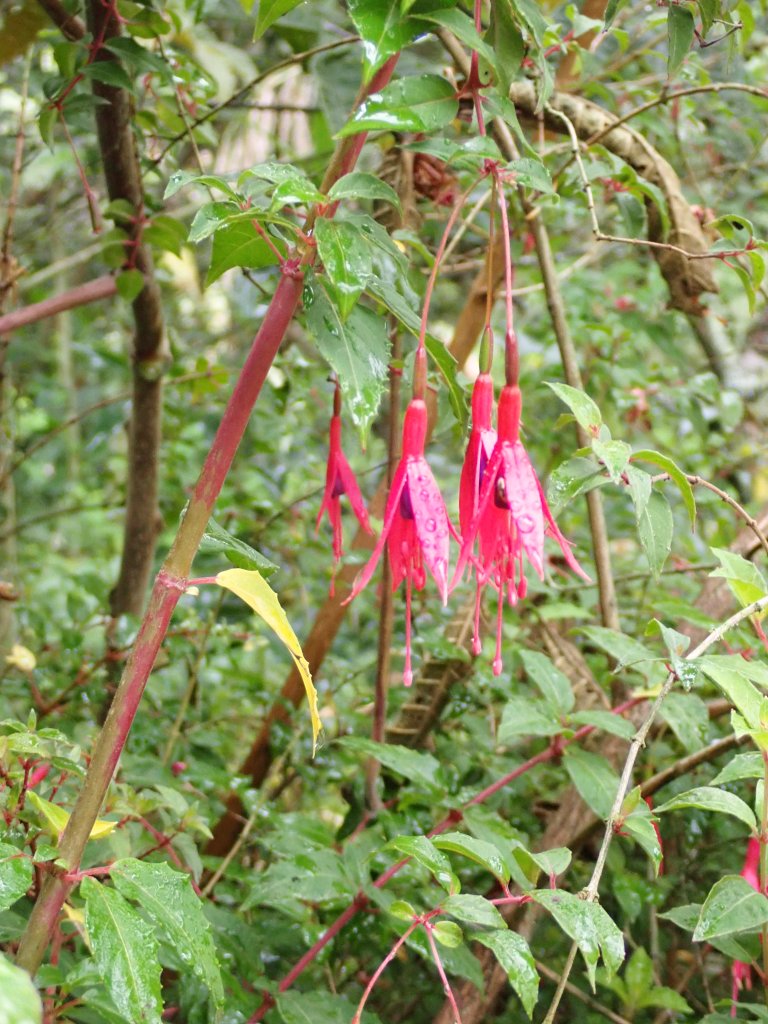
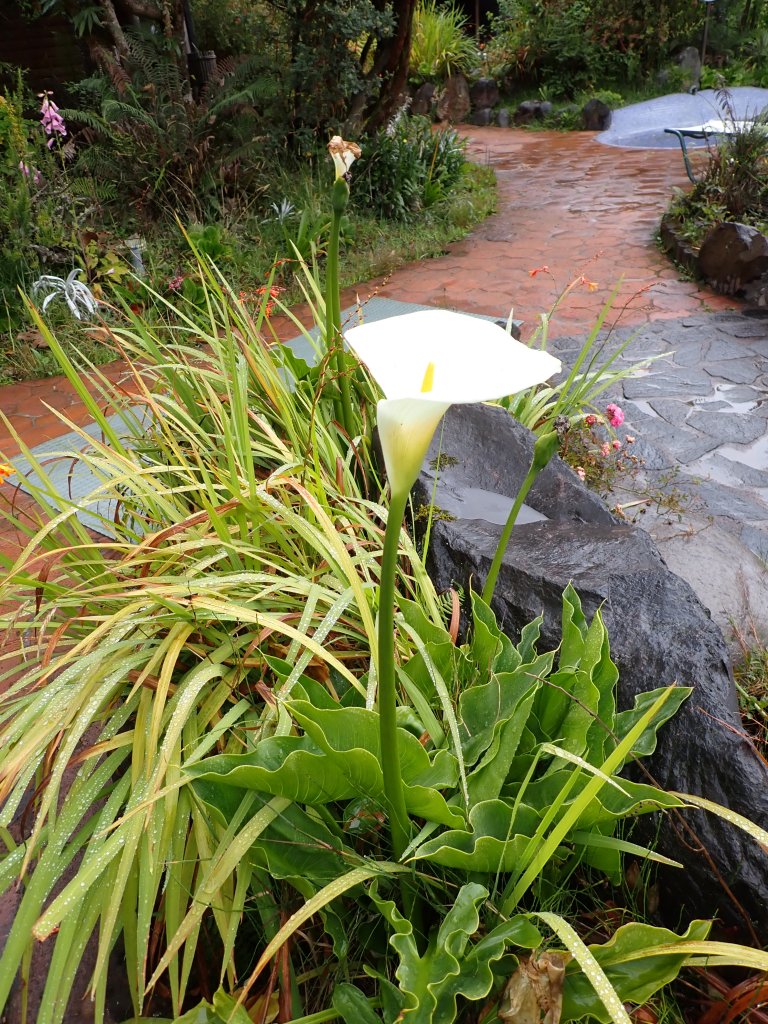
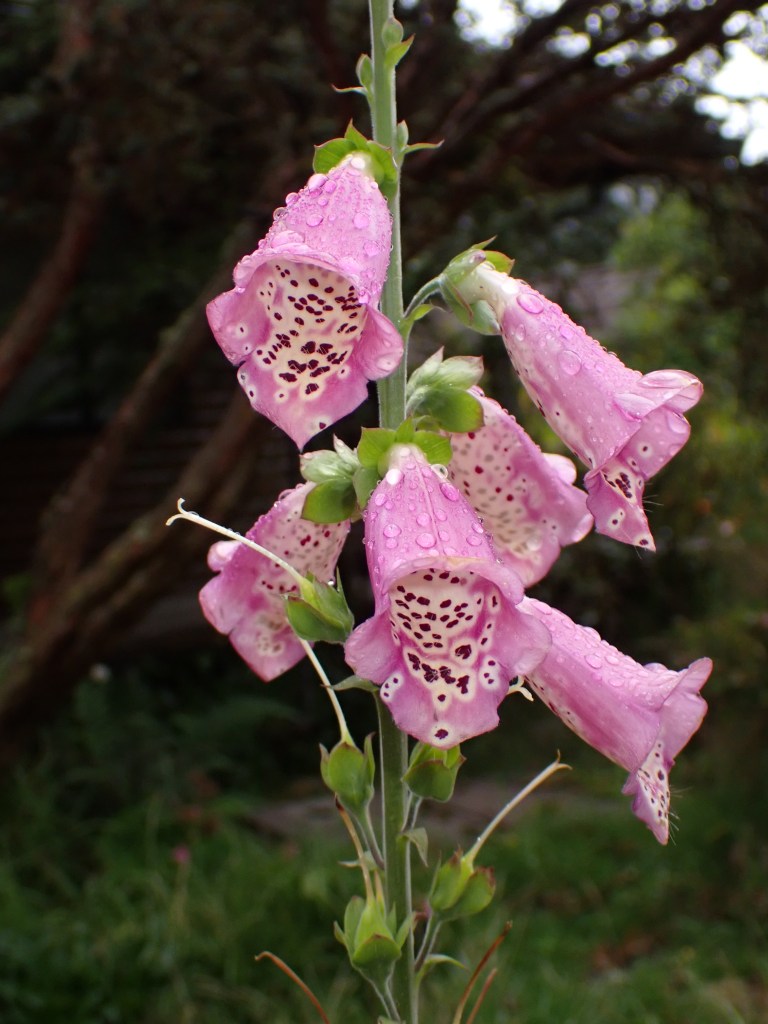
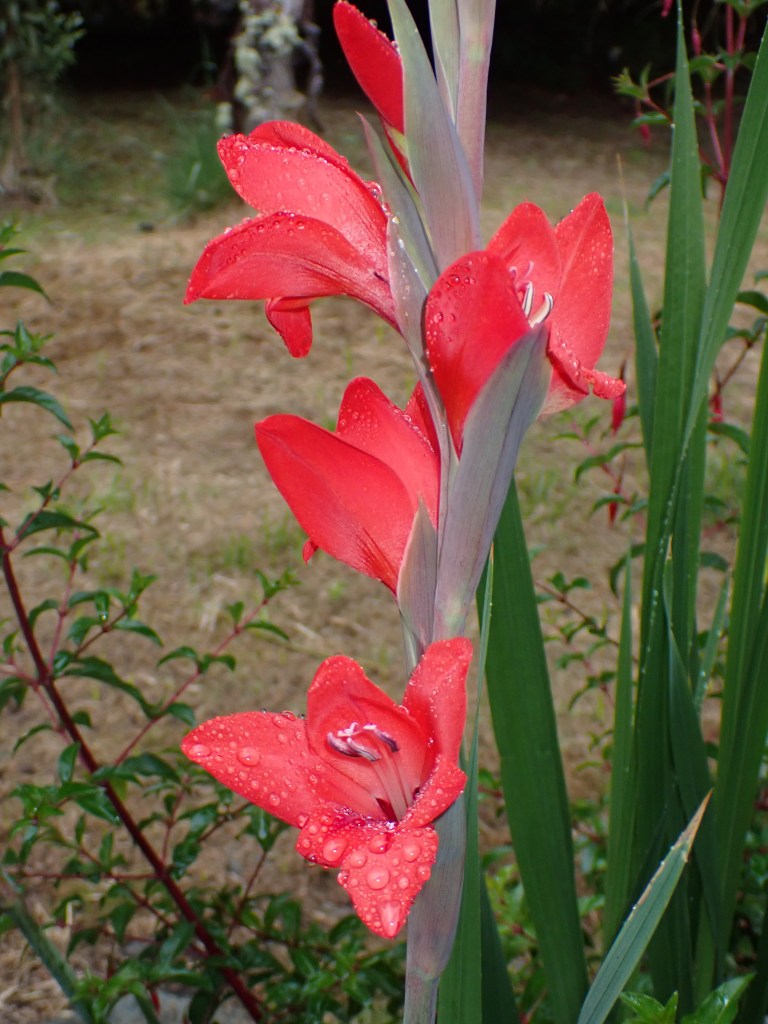
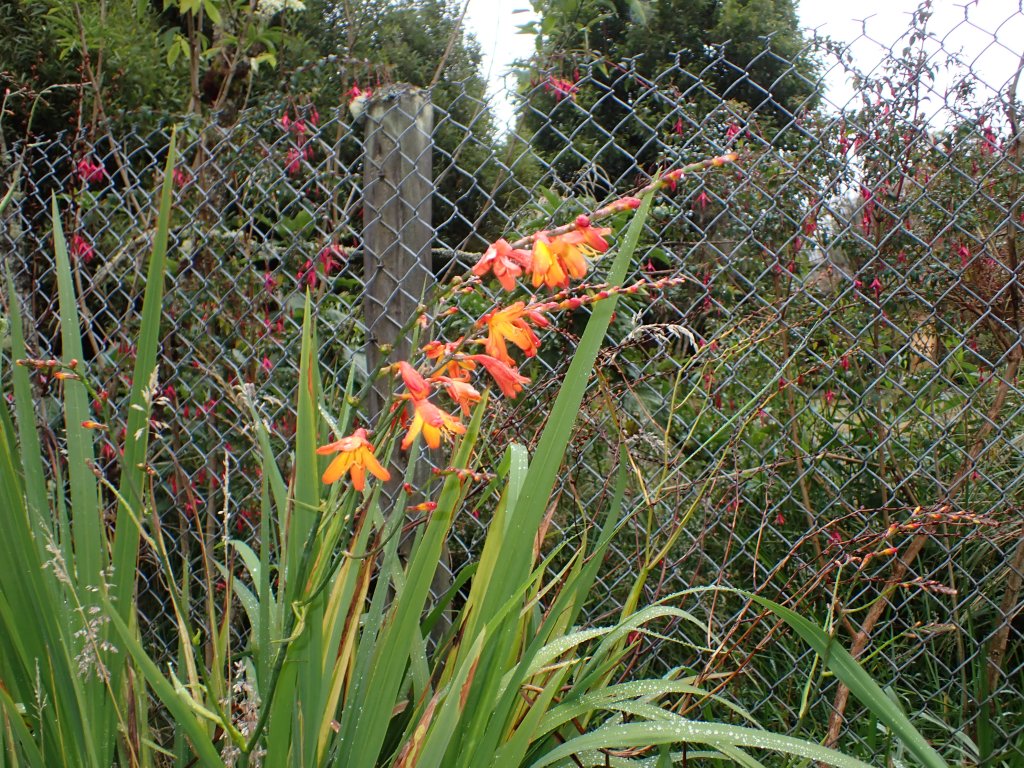
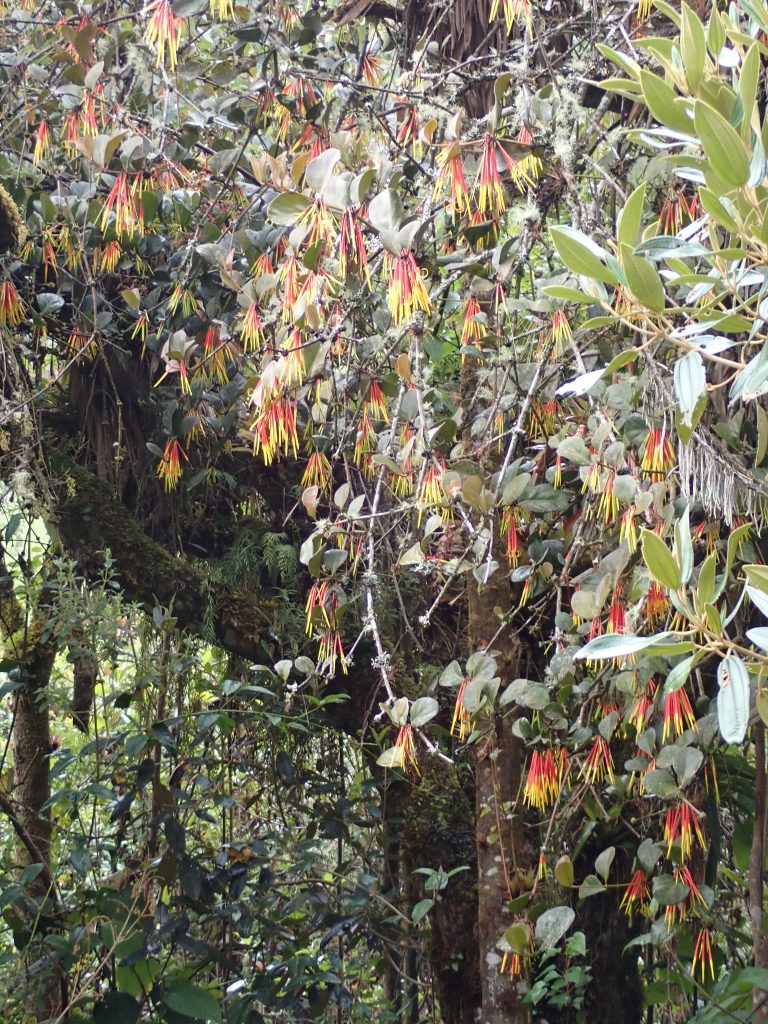
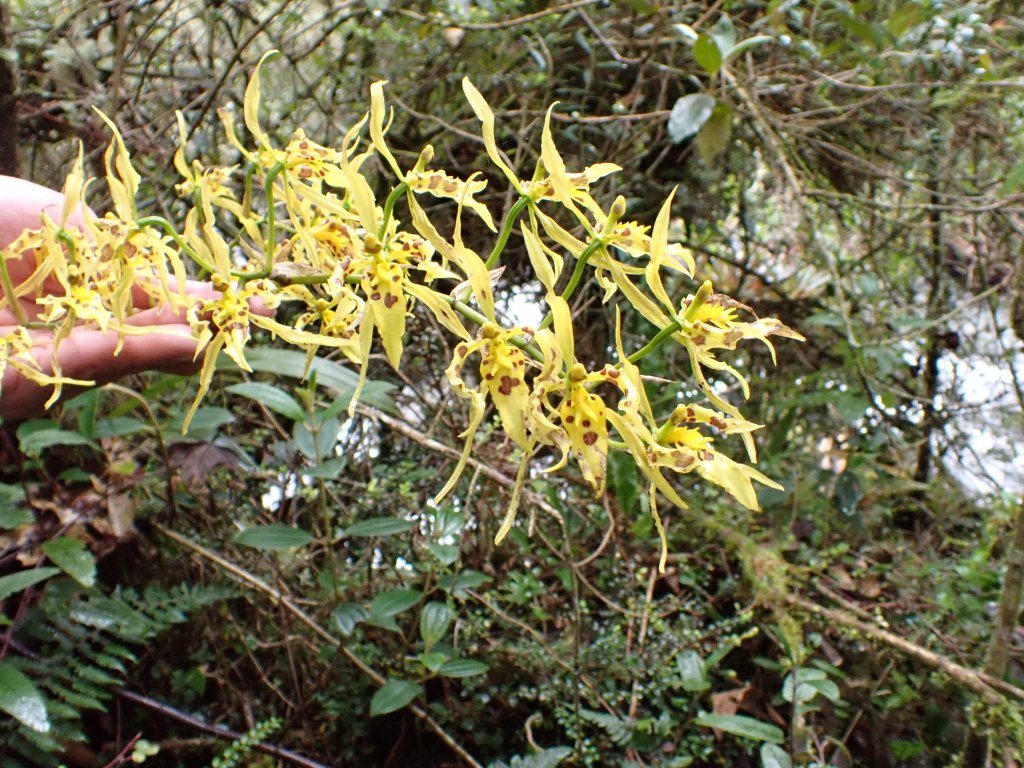
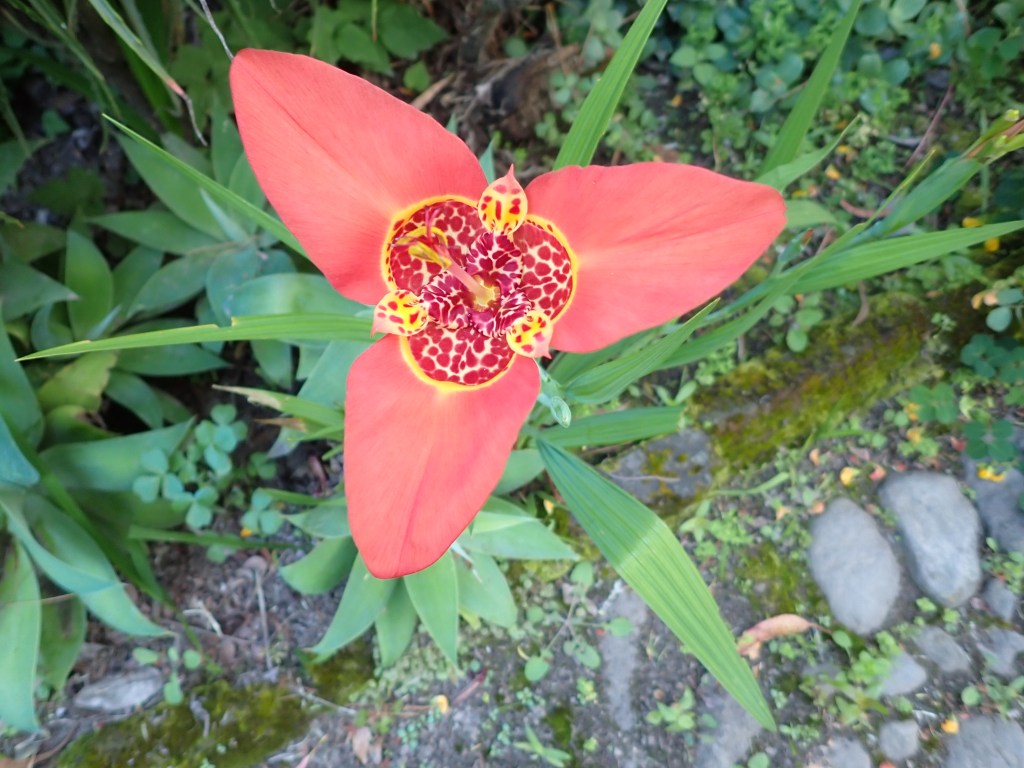
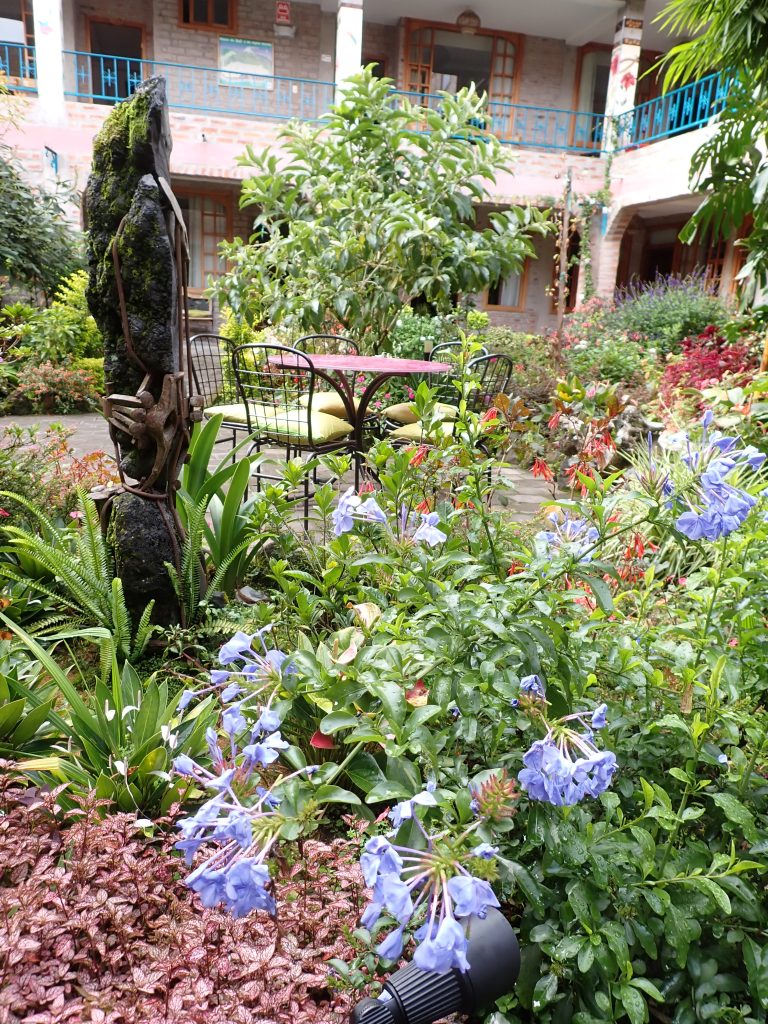
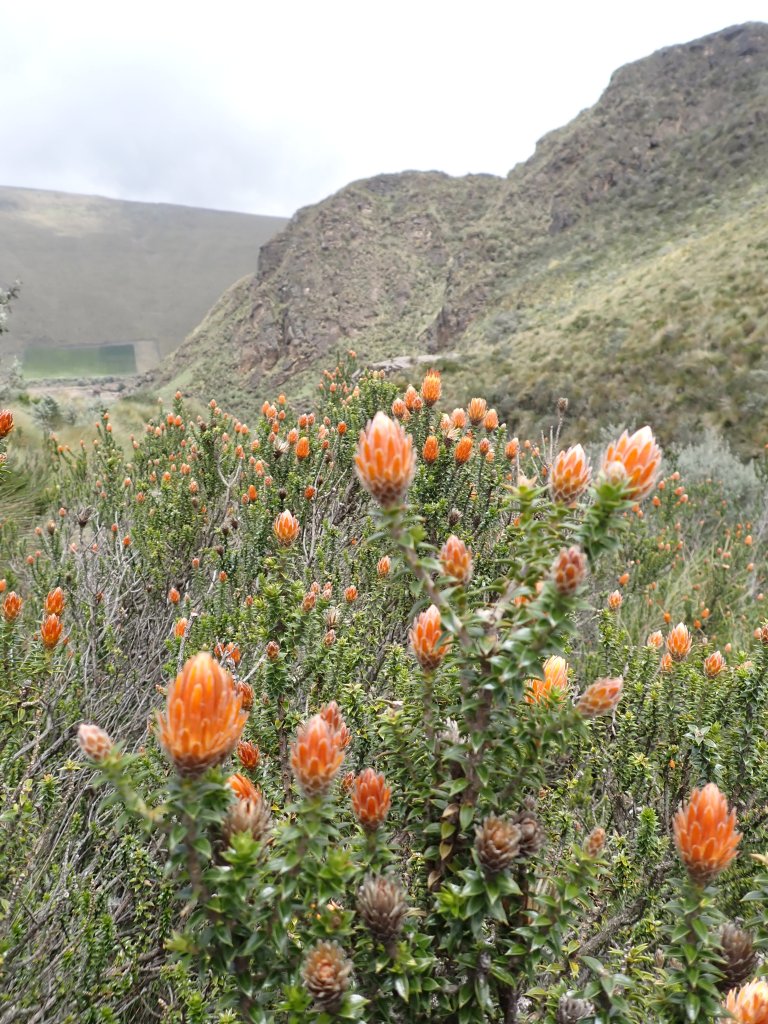
Not to be outdone, the flowers that we saw hiking and wandering were equally beautiful. It was especially interesting to see flowers that we buy at local garden shops (fuchsias, geraniums, spirea bushes, etc.) growing in the wild. We also saw several of the common alpine flowers – lupine and Indian Paintbrush – as we were hiking. The locals use the lupine seeds as part of their diet as a snack. I never had the opportunity to try them but I hear they are good.
 Joel and Alison's Excellent Adventures