Interspersed between the travel and climbing we toured many historic sites. As I mentioned before, our Ecuadorian climbing guide Camilo also has a degree in eco-tourism so he was an incredible source of history, customs and culture as we visited many of these sites. I apologize if you sense that I may not have written all the descriptions below – it was easy to cut and paste a lot of the verbiage from the internet – the photos are mine, however!
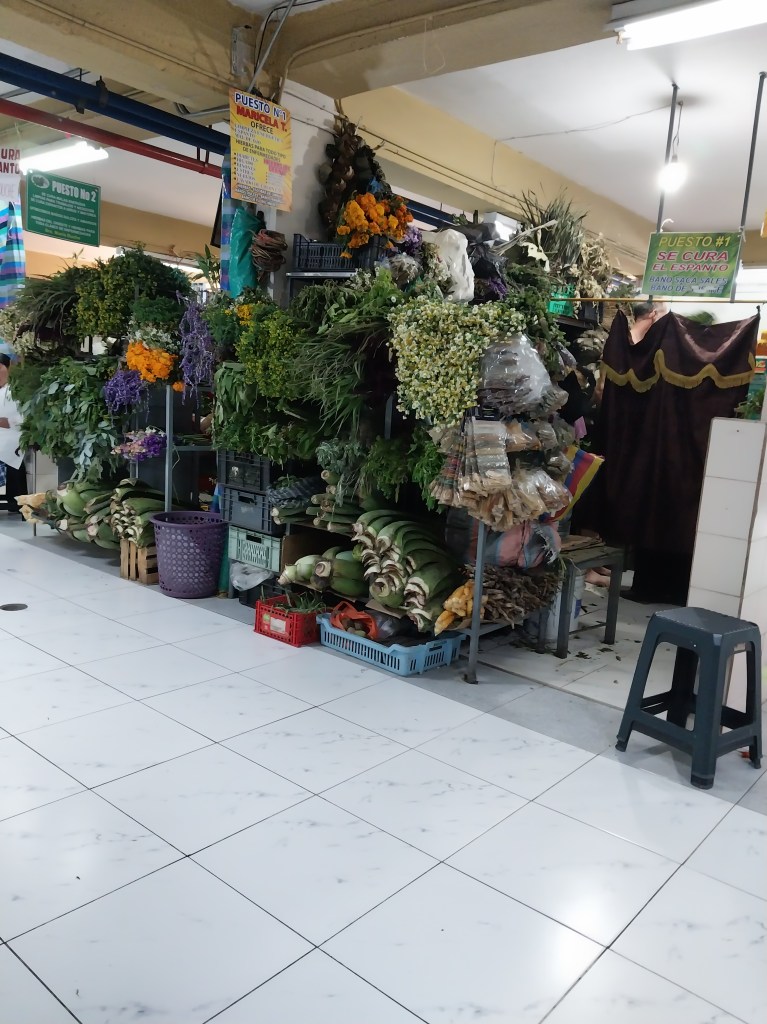
Before we began our tour of the city, we took part in a “cleansing” ceremony. Individually, we stripped down to our underwear, stood behind a curtain and were whipped with an assortment of herbs, slathered head to toe with oil and had an egg broken on us. The fortune was told based on what the egg looked like inside. I think that maybe mine just said I was old – HAHA.
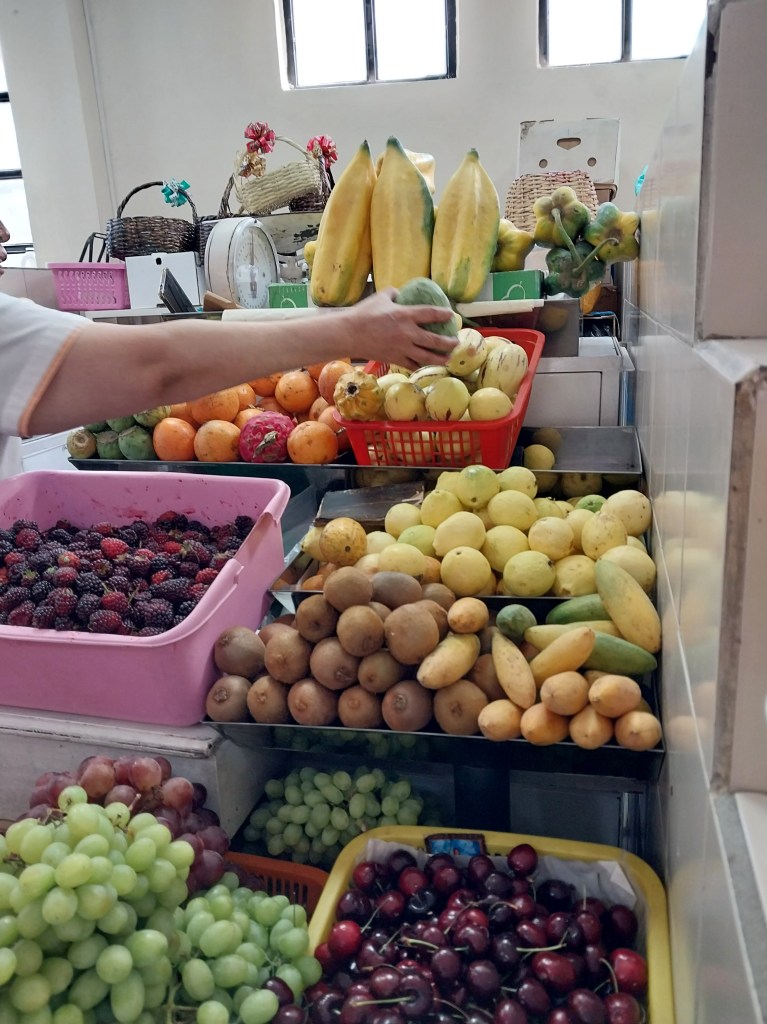
We then visited a local fruit vendor and got to taste a variety of fruits that you would probably never see in the US. They were delicious, unfortunately I did not write down the names!
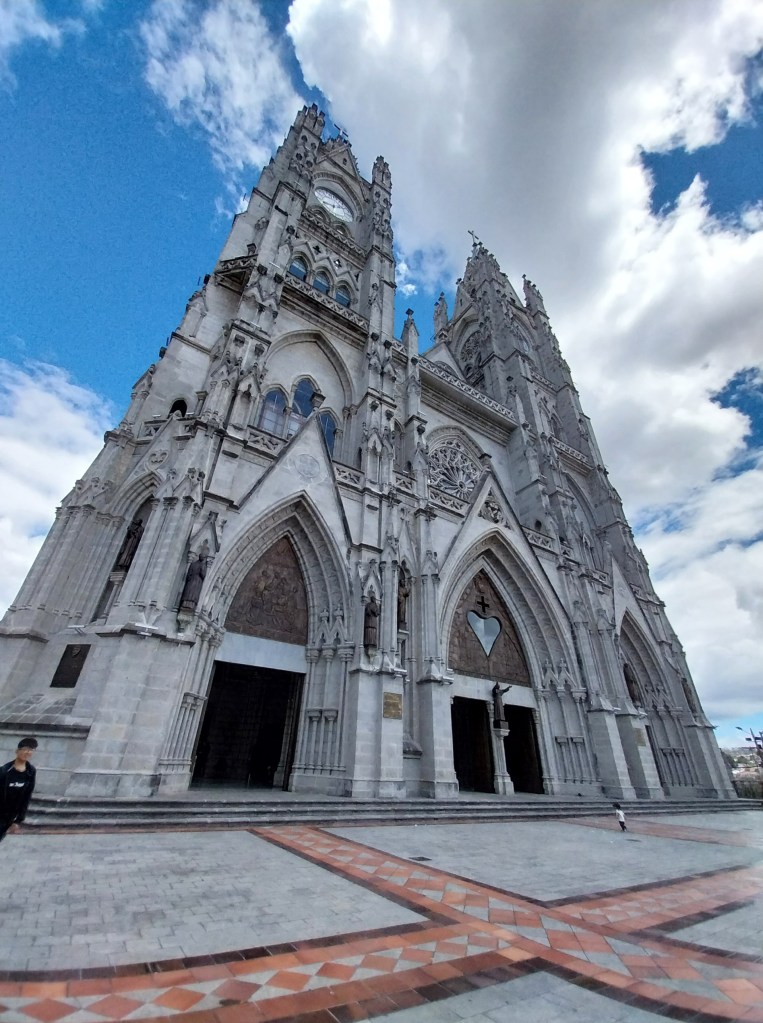
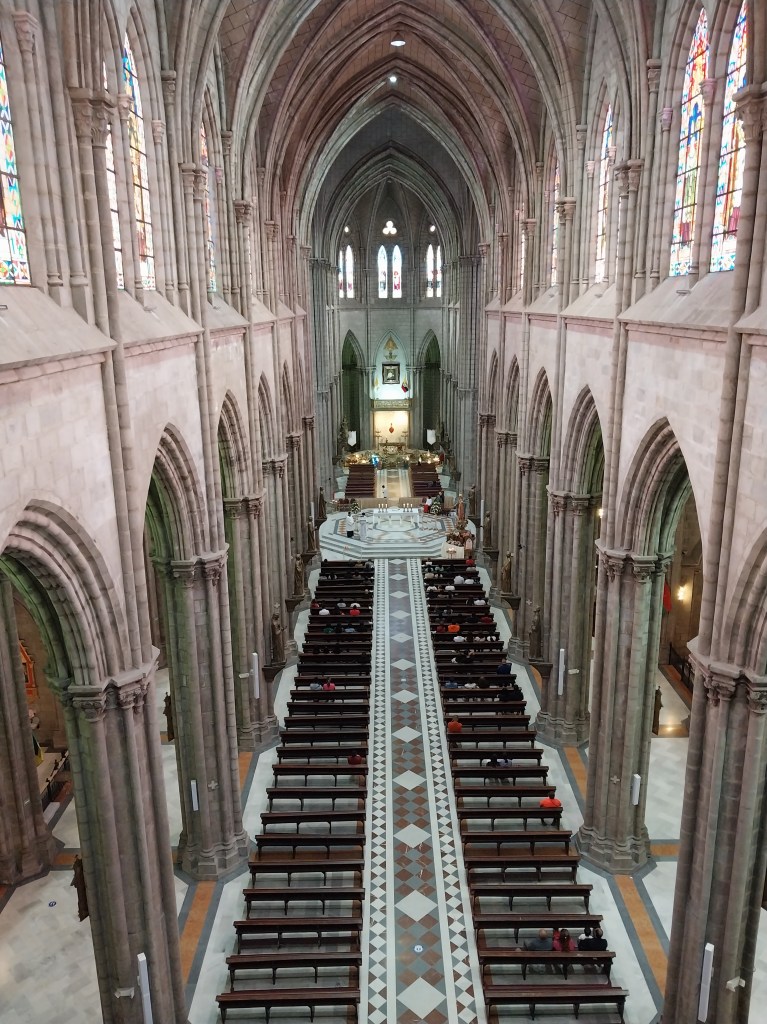
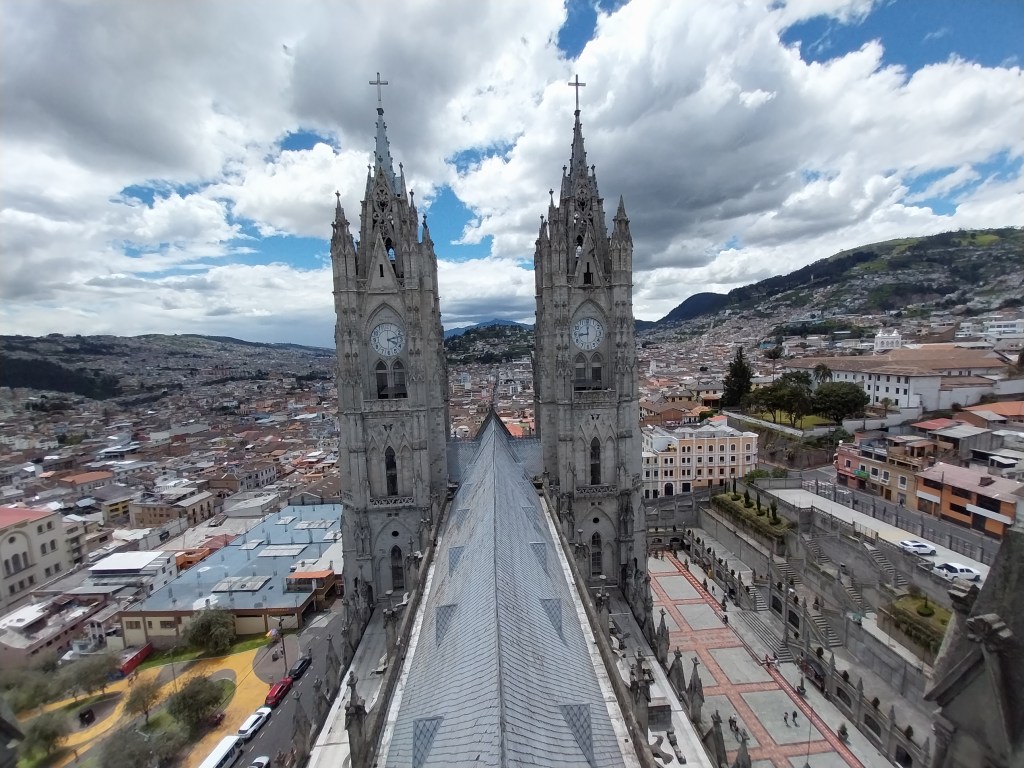
The first site we visited in old town Quito was the Basílica del Voto Nacional. The Basilica of the National Vow (Spanish: Basílica del Voto Nacional) is a Roman Catholic church located in the historic center of Quito, Ecuador. It is the largest neo-Gothic basilica in the Americas. The basilica arose from the idea, proposed by Father Julio Matovelle in 1883, of building a monument as a perpetual reminder of the consecration of Ecuador to the Sacred Heart. The basilica remains technically “unfinished.” Local legend says that when the Basílica is completed, the end of the world will come. I vote to not finish it!
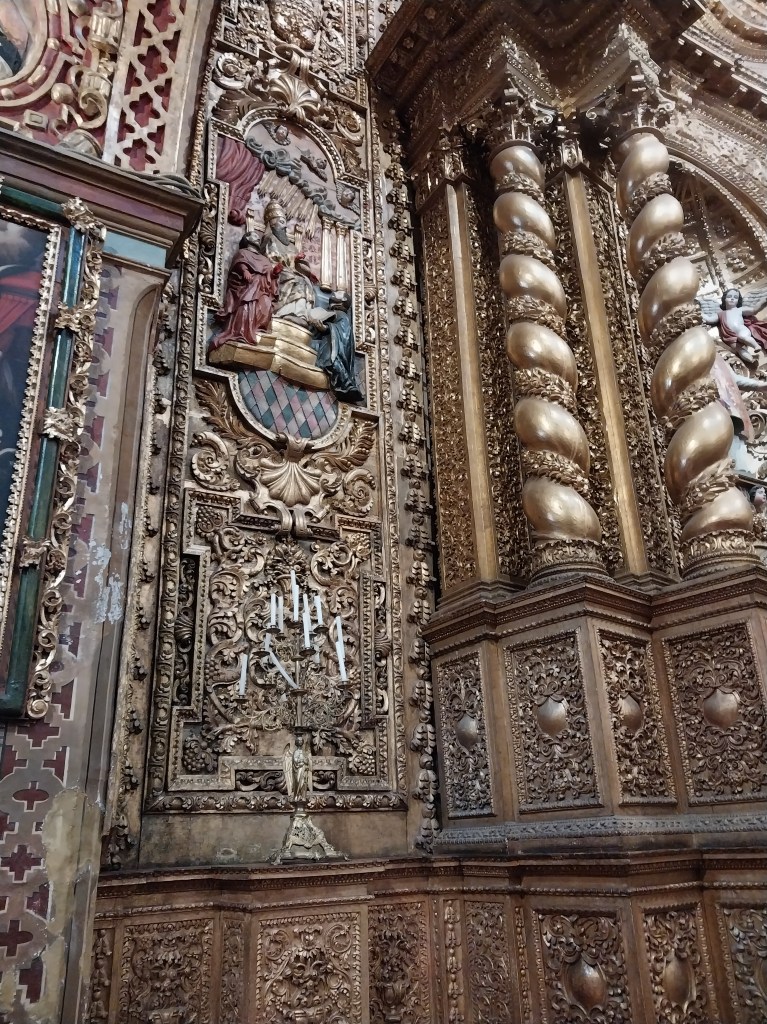
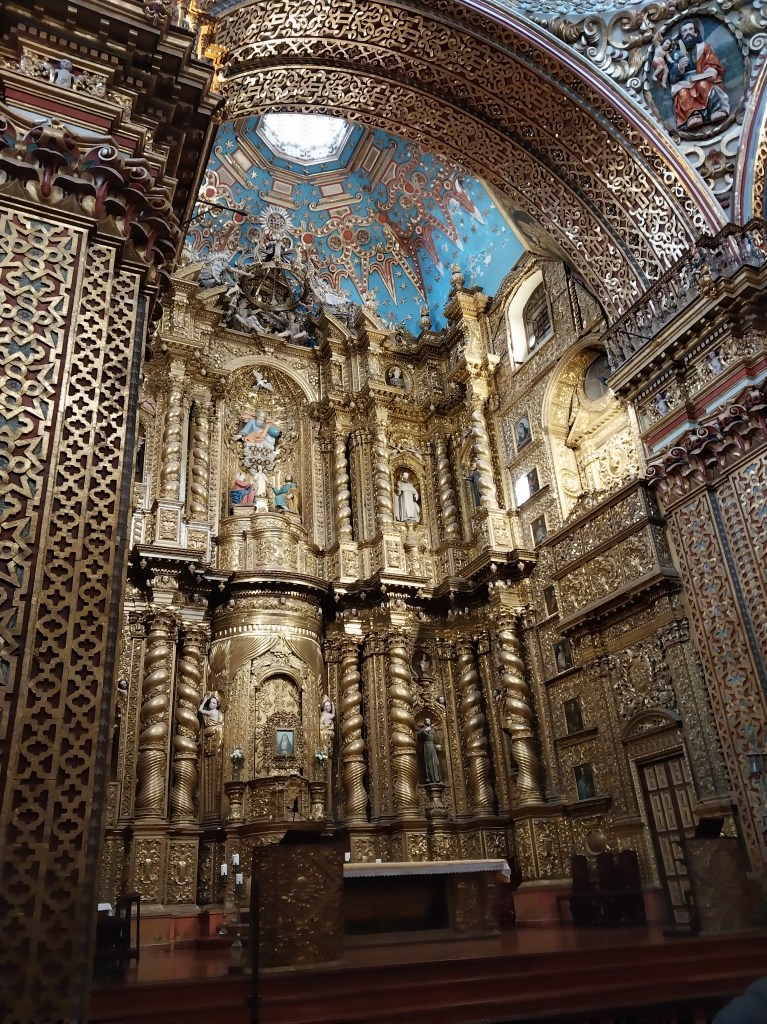
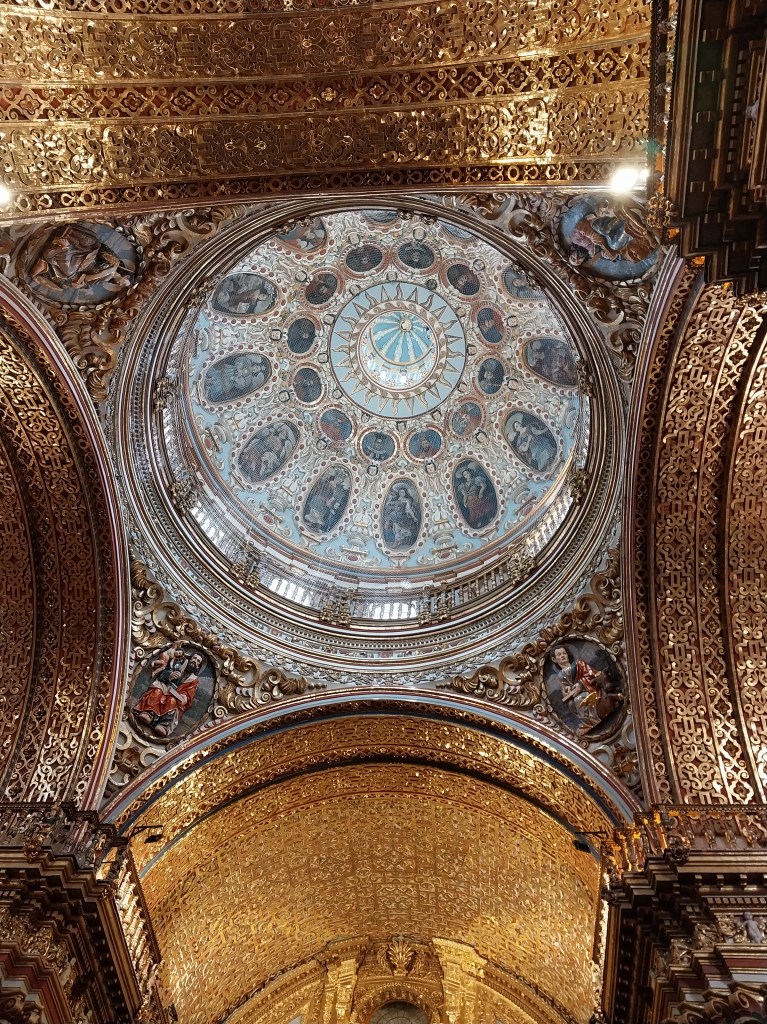
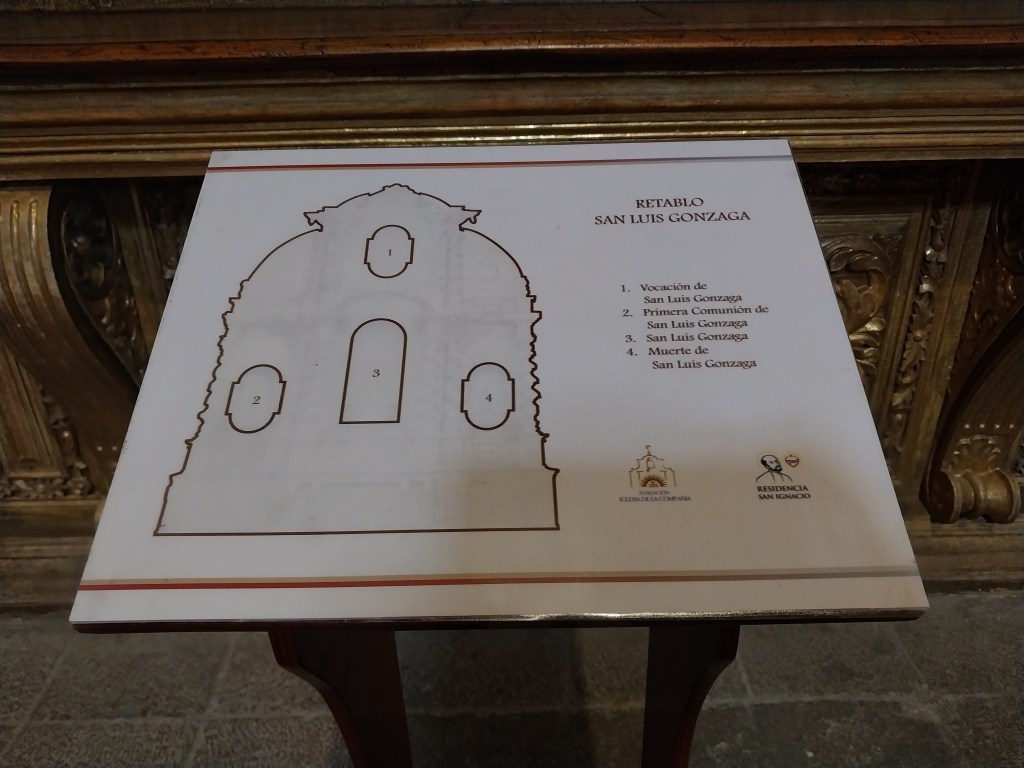
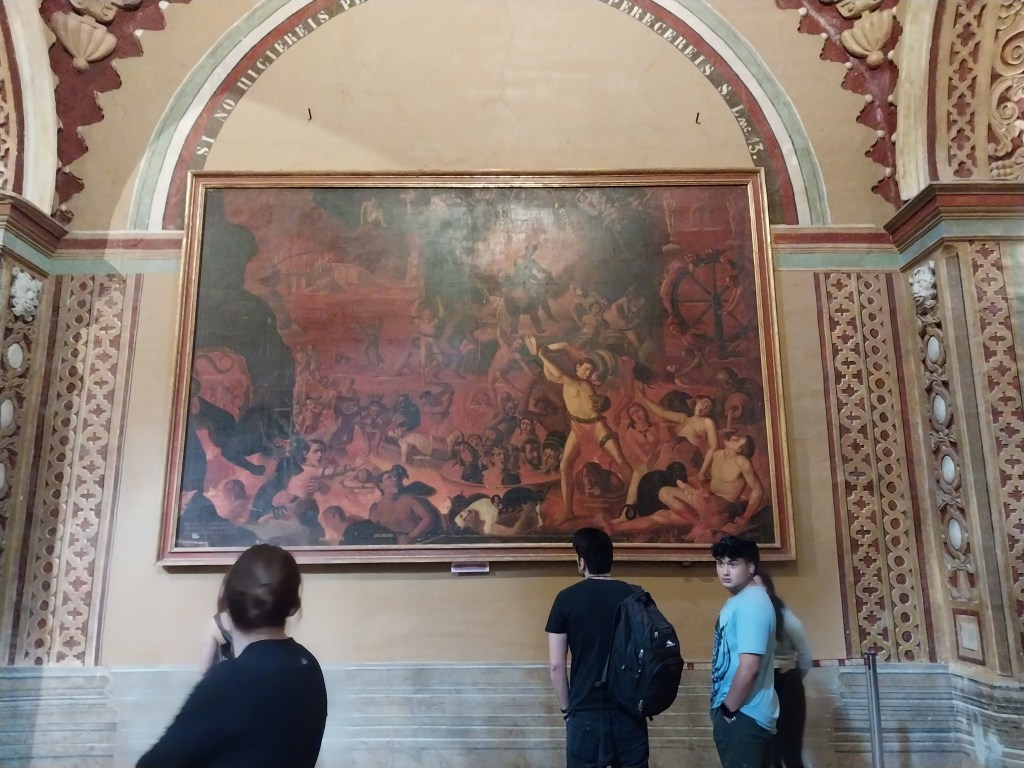
The second site we visited was the La Compañia Church – also known locally as the “Gold Church.” The Church and Convent of San Ignacio de Loyola de la Compañía de Jesús de Quito, also known in the Ecuadorian people simply as La Compañía, is a Catholic clerical complex located in the Historic Center of the city of Quito. The façade of its main temple is entirely carved in volcanic stone. The church, and its rich internal ornamentation, completely covered with gold sheets, is one of the main tourist attractions in the city and an invaluable heritage, both artistic and economic, for the country.
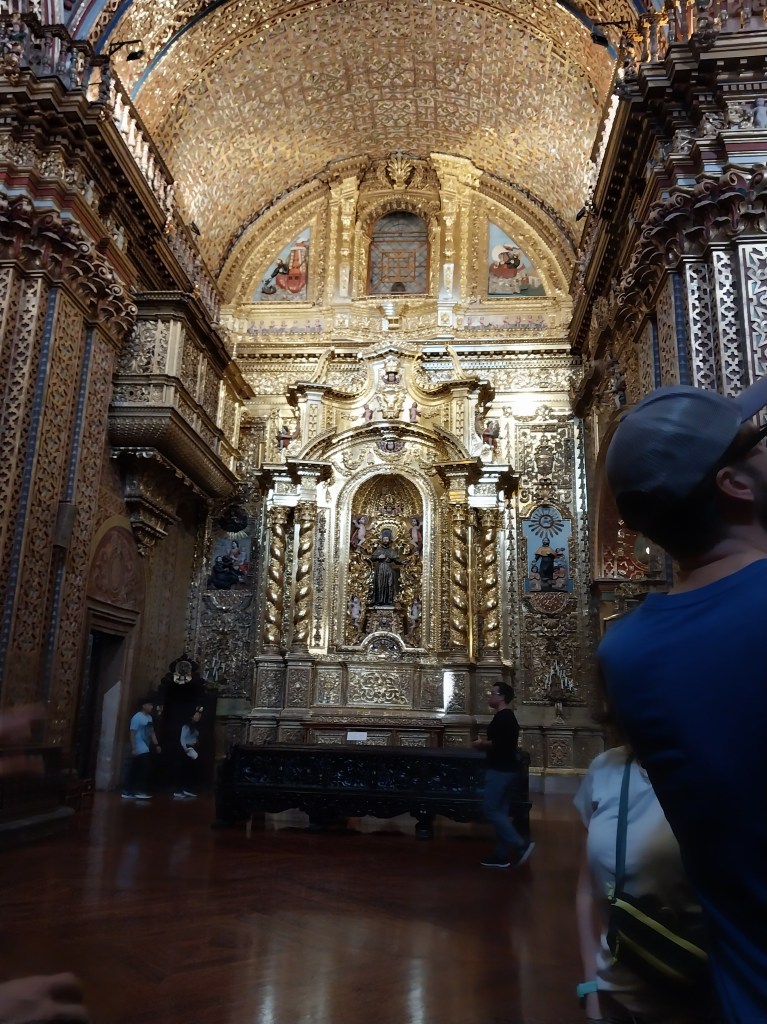
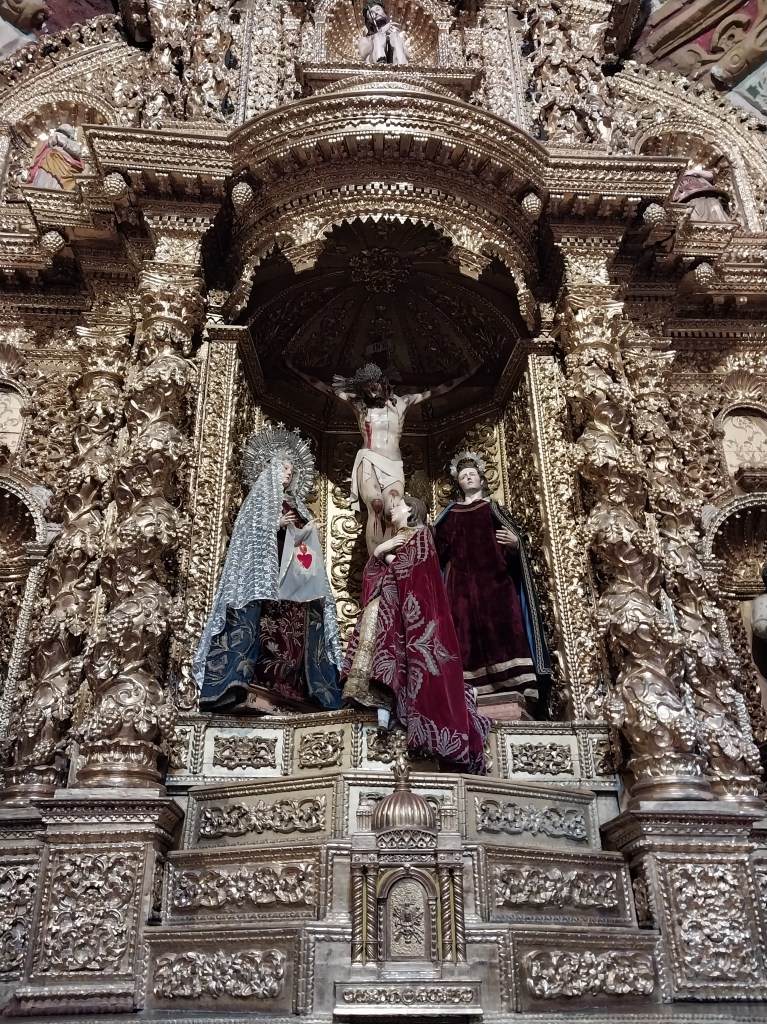
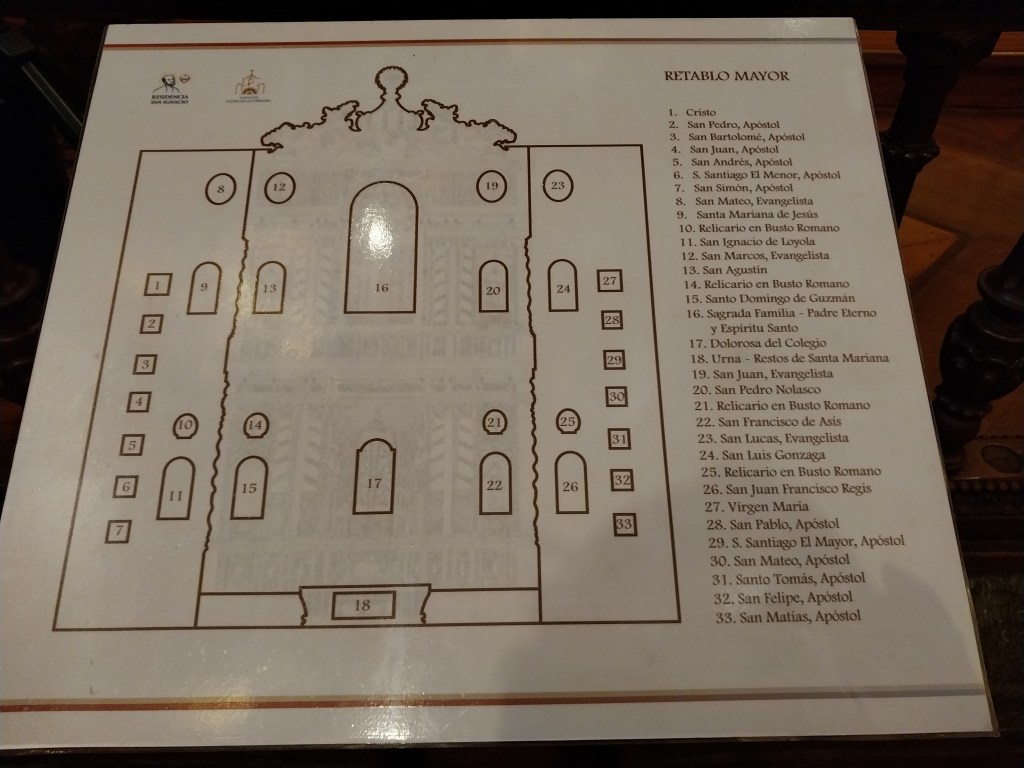
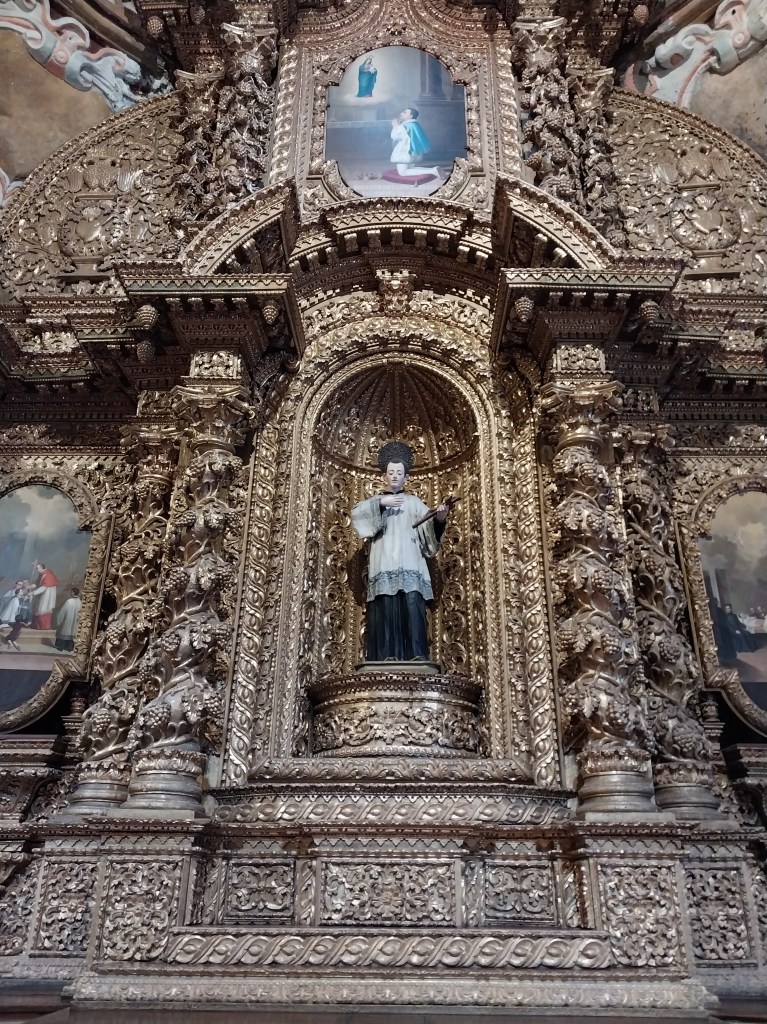
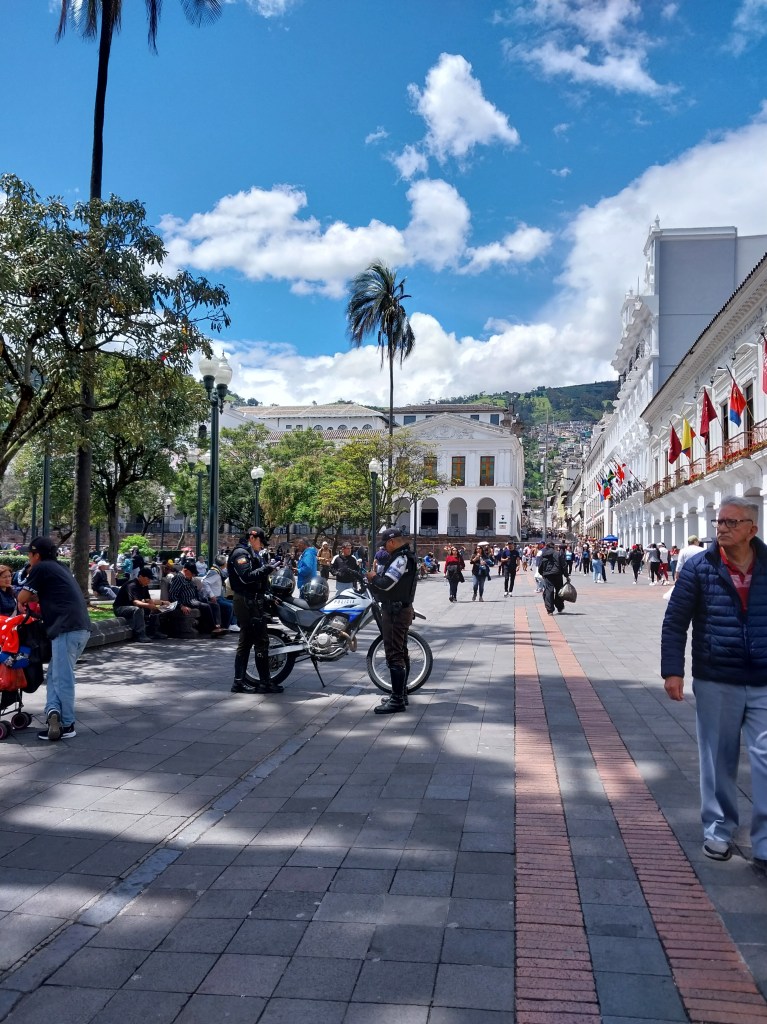
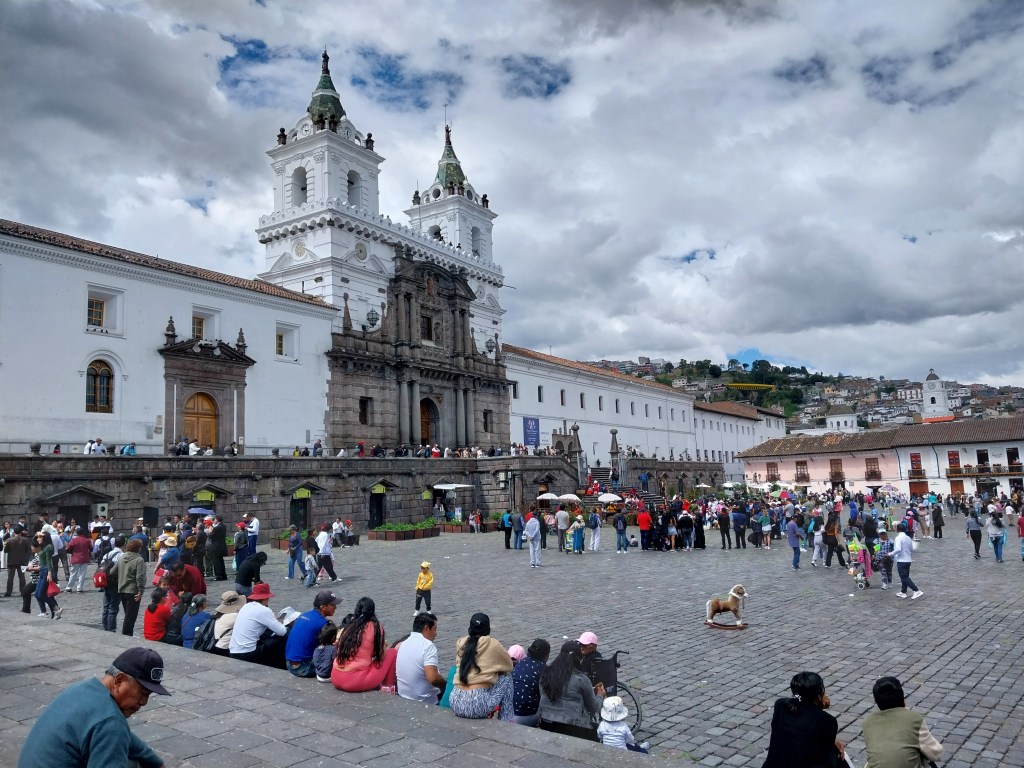
We then walked around one of the town squares that had the government and parliament offices on the periphery.
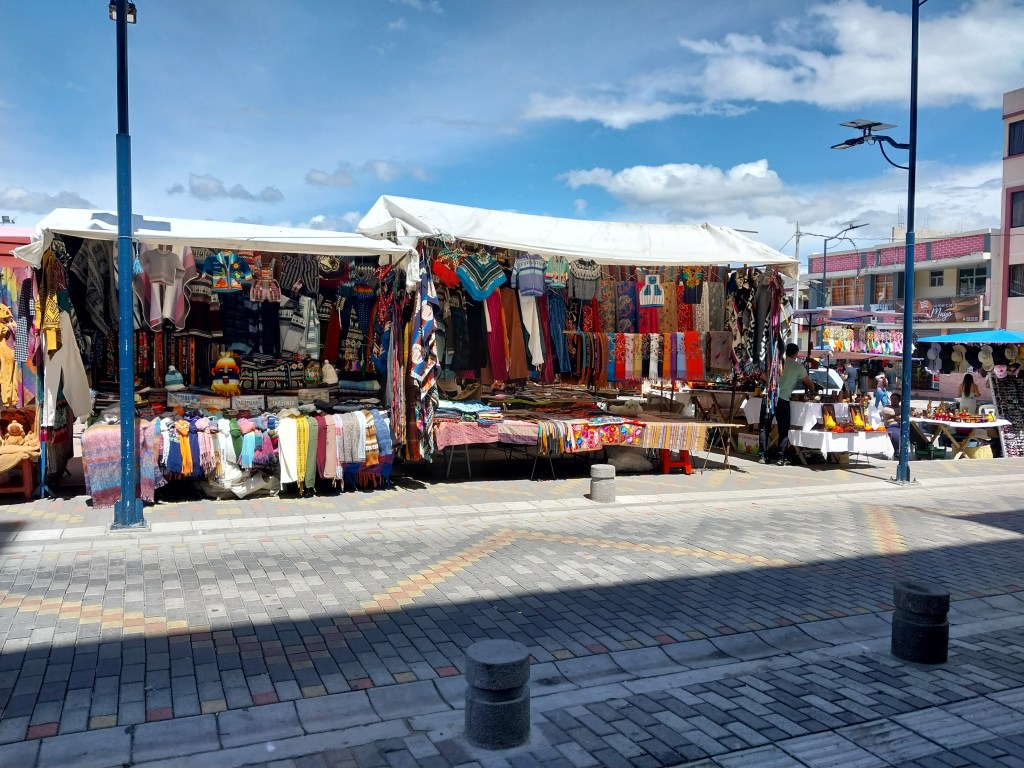
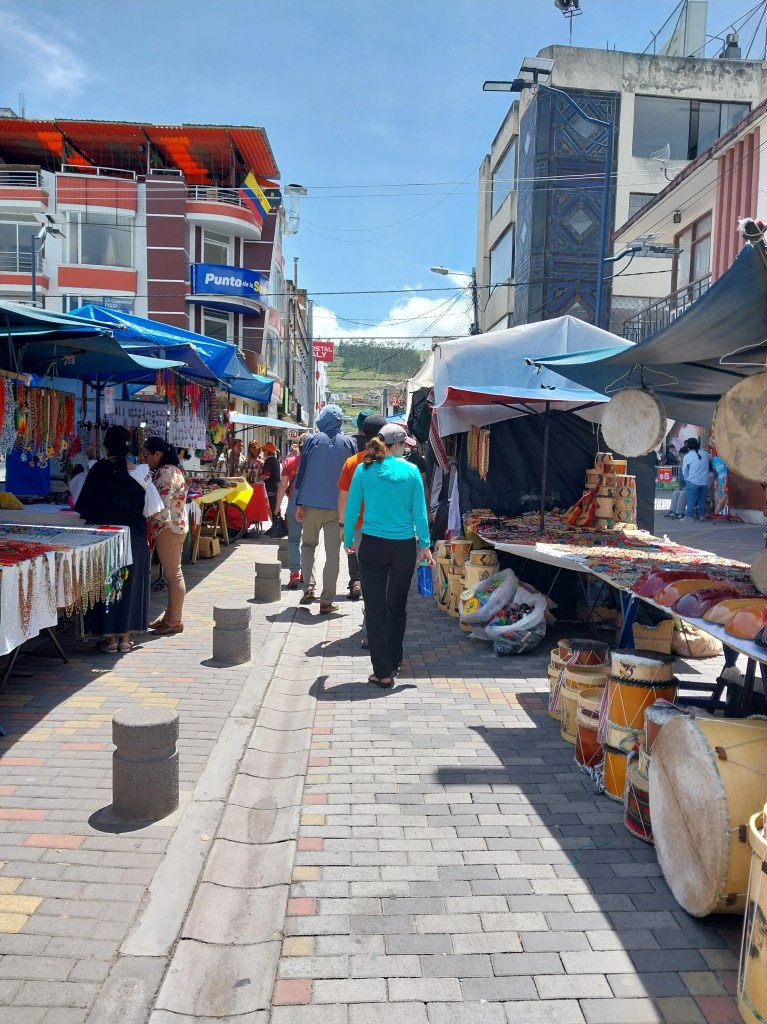
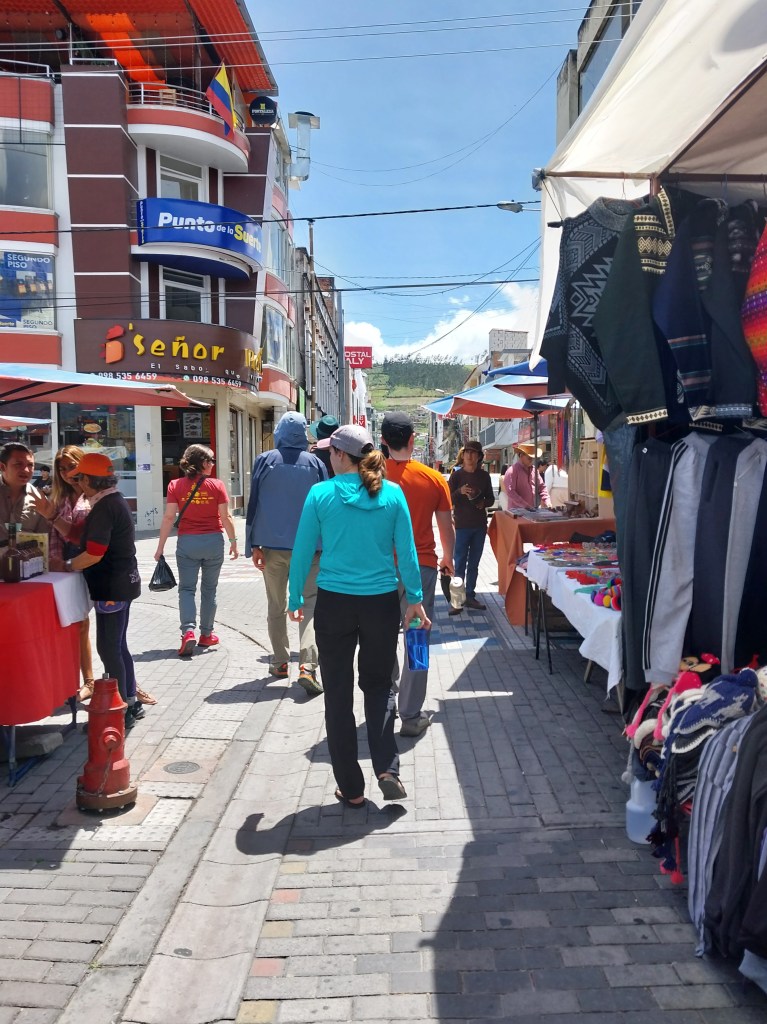
A couple of days later we headed about two hours outside of Quito to the town of Otavalo to tour the famous market. This is the largest and most famous indigenous market in Ecuador and South America. It was full of colorful textiles, clothing, food and knick-knacks.
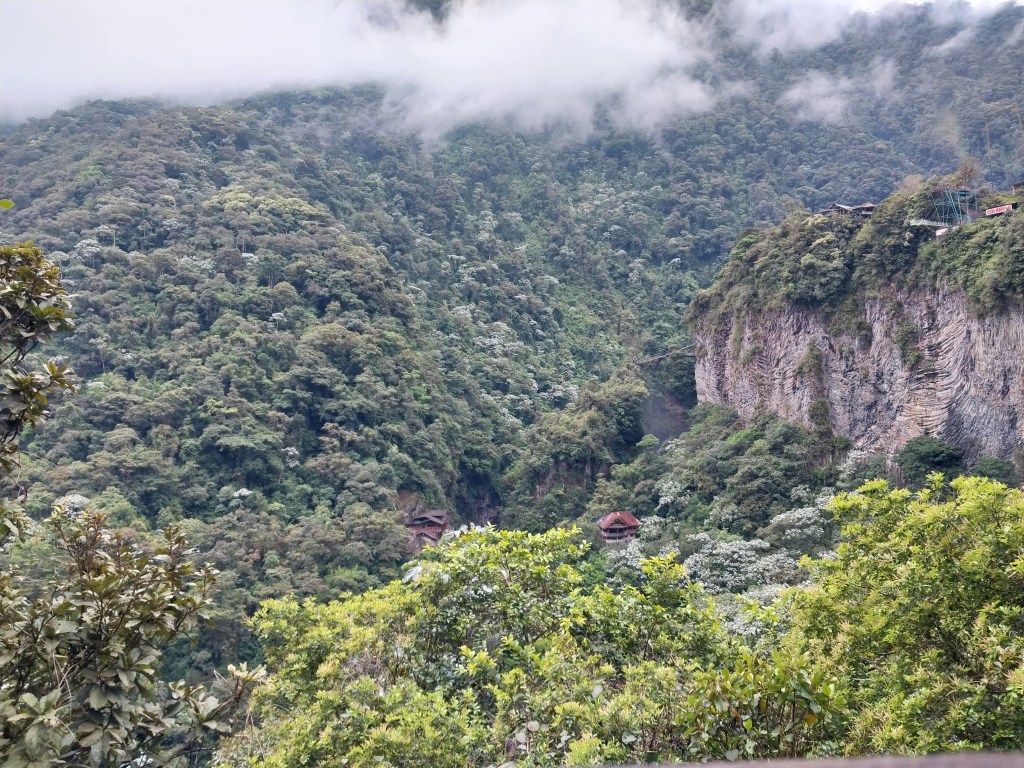
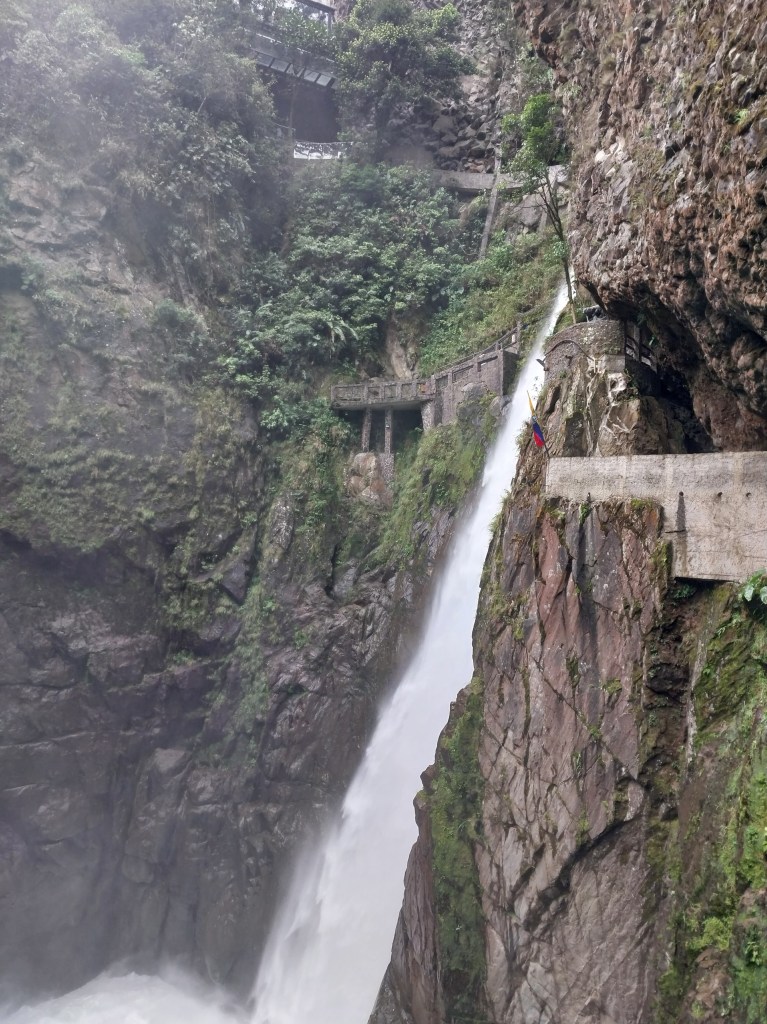
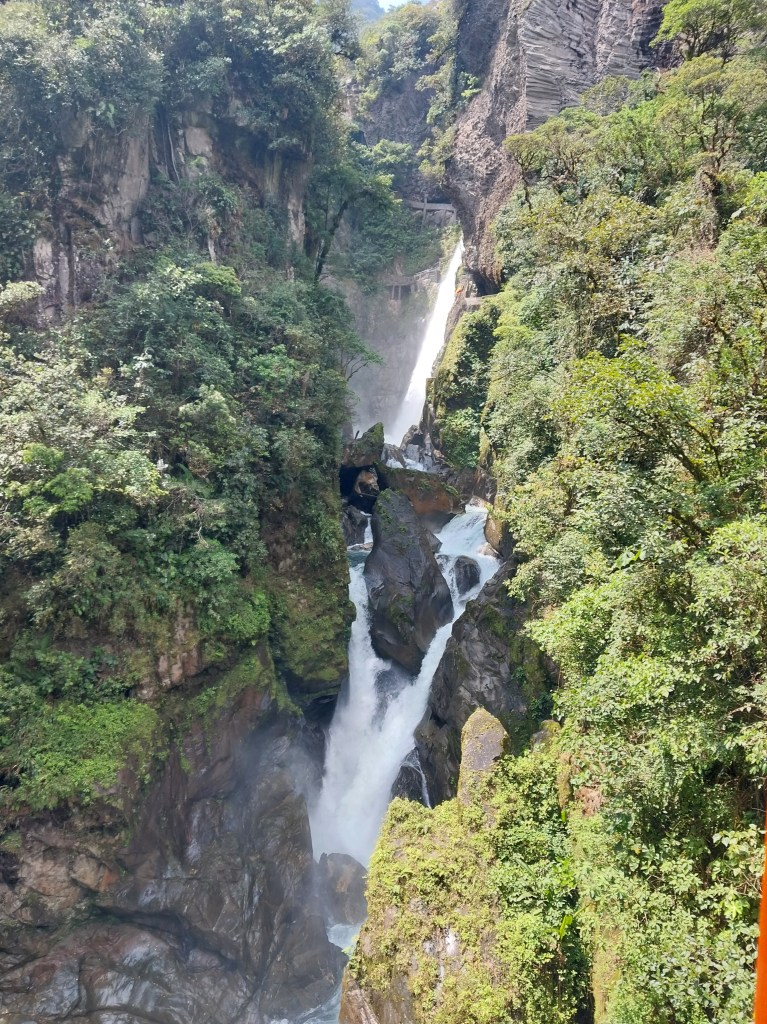
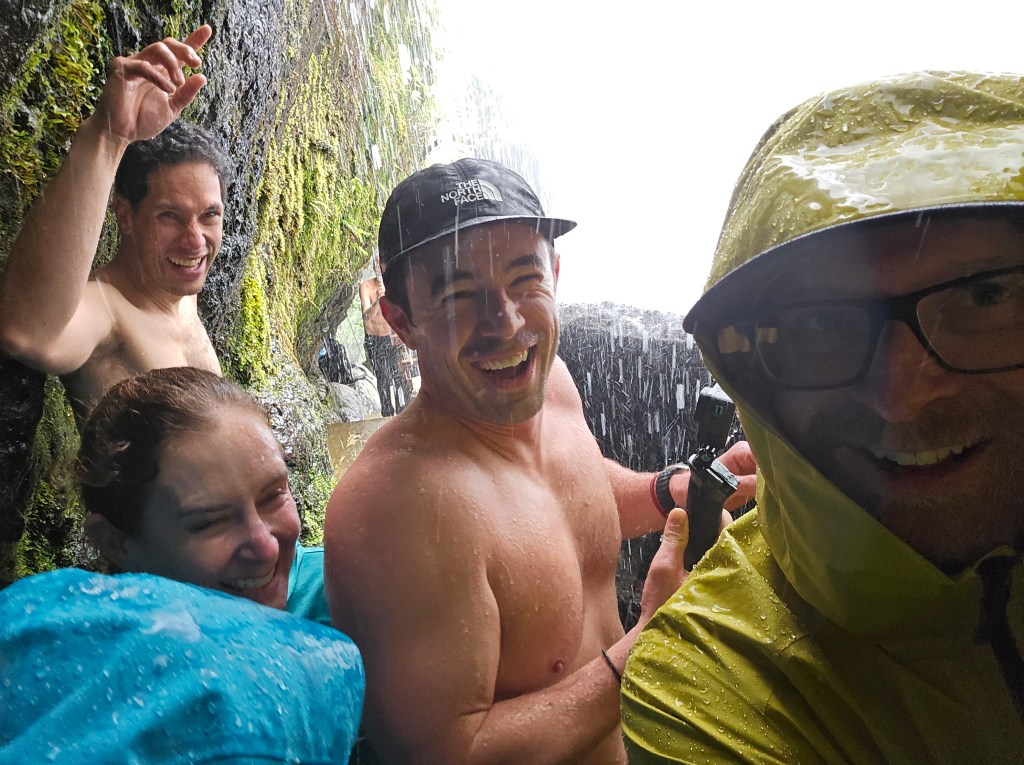
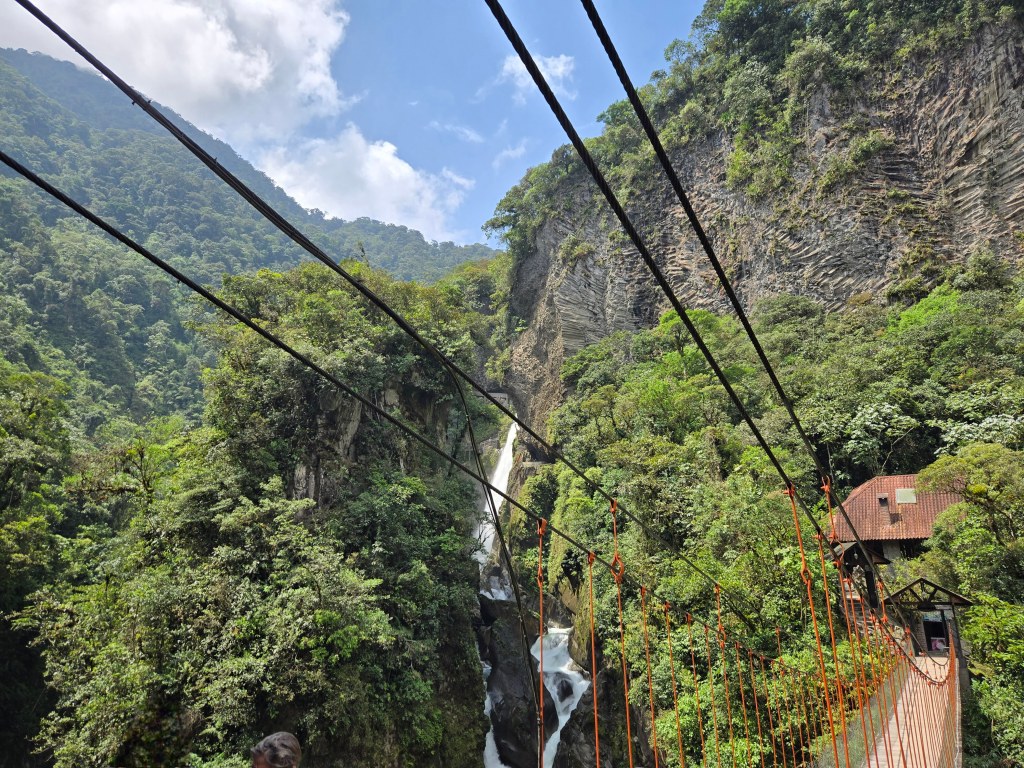
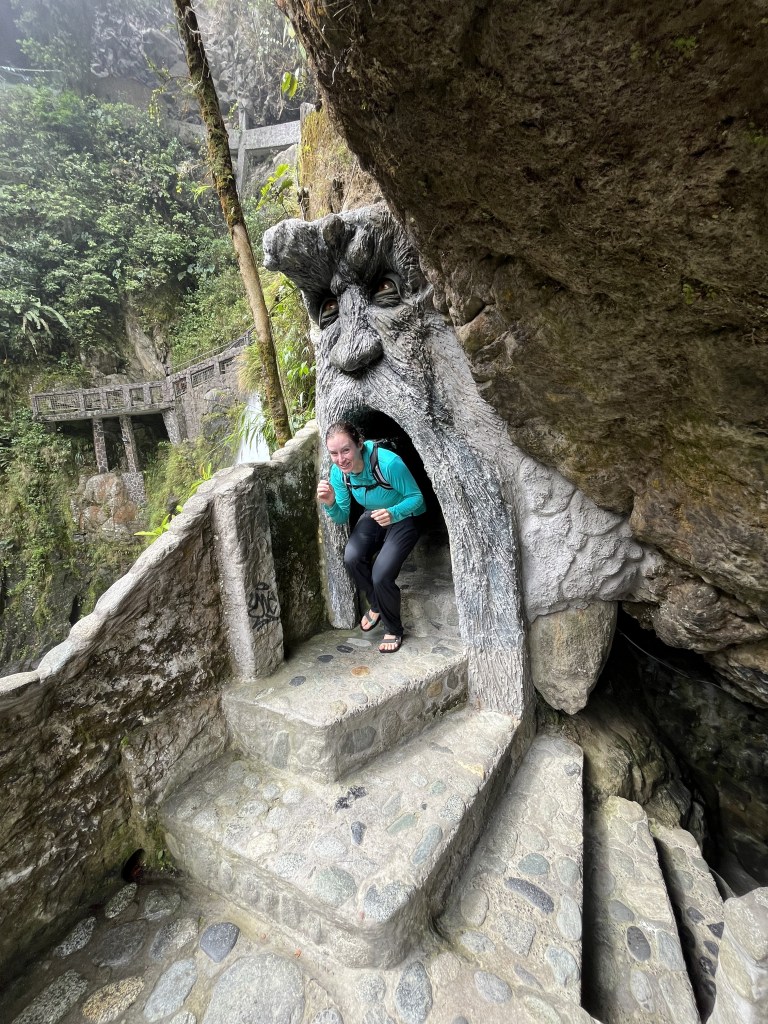
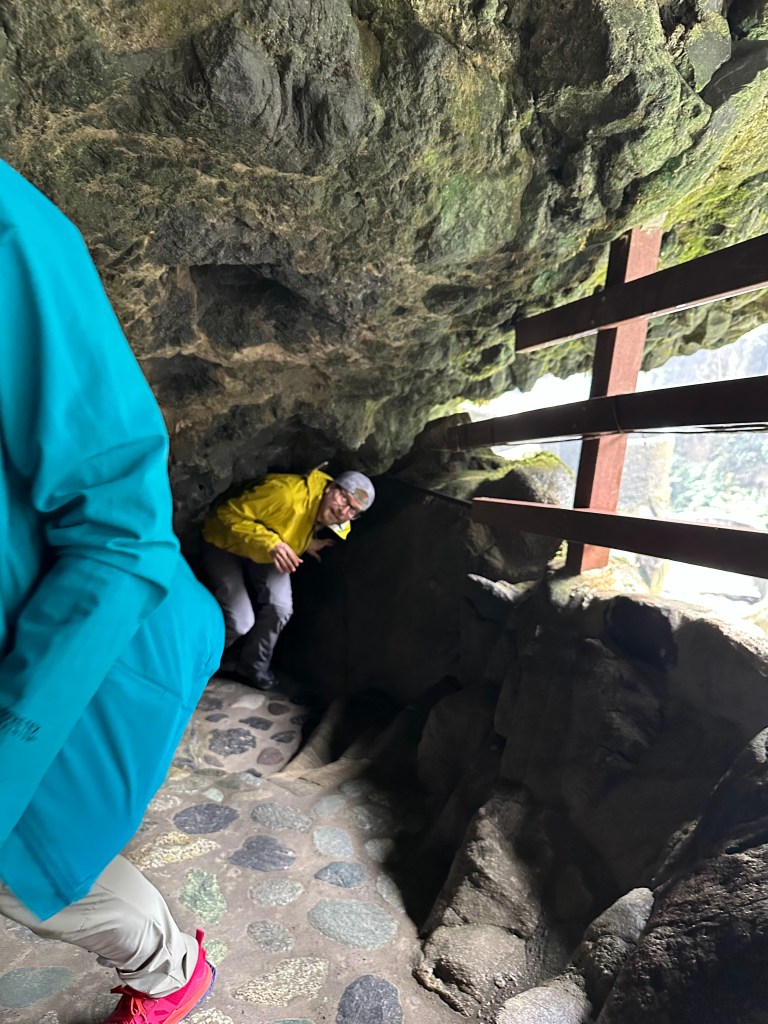
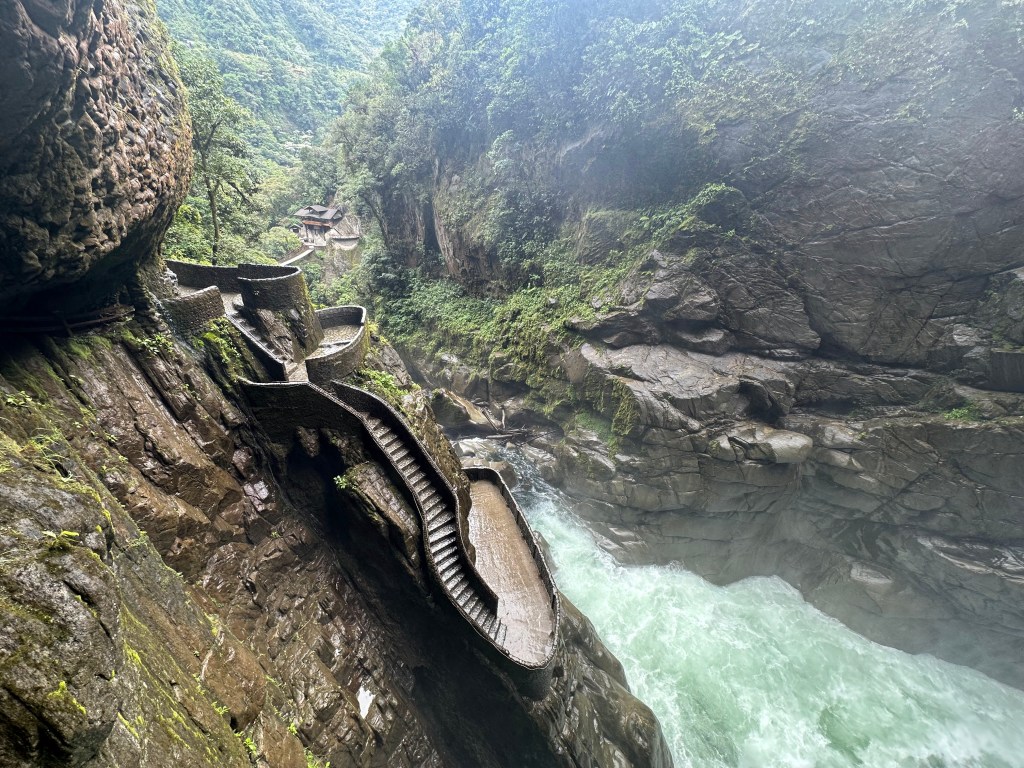
Outside of the town of Banos was a great hike to a famous waterfall – the Cascada el Pailón del Diablo lies on the edge of the cloud forest. It is 265 feet tall and the last part of the trail goes behind the actual waterfall. I chose not to test my raingear at that point!
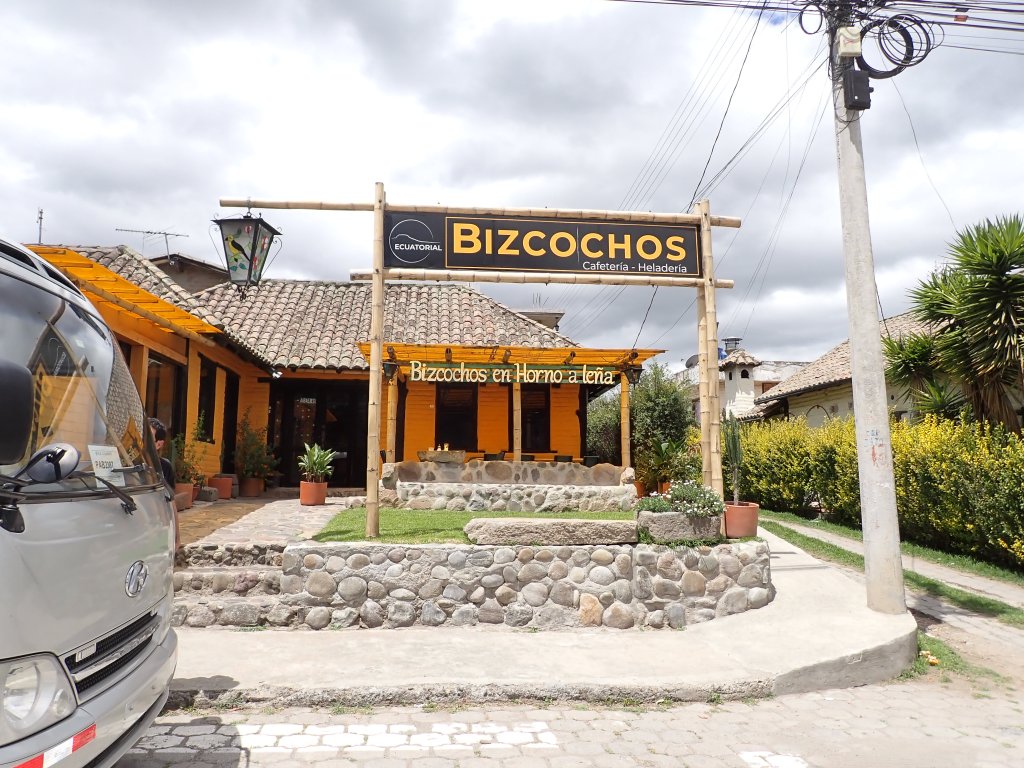
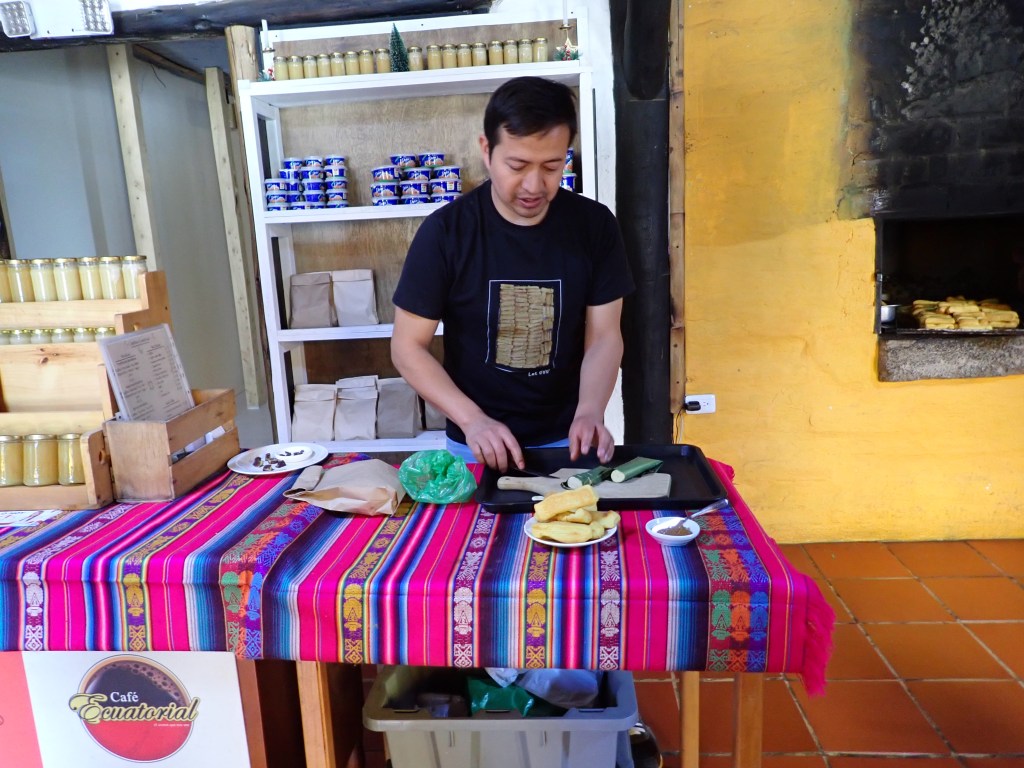
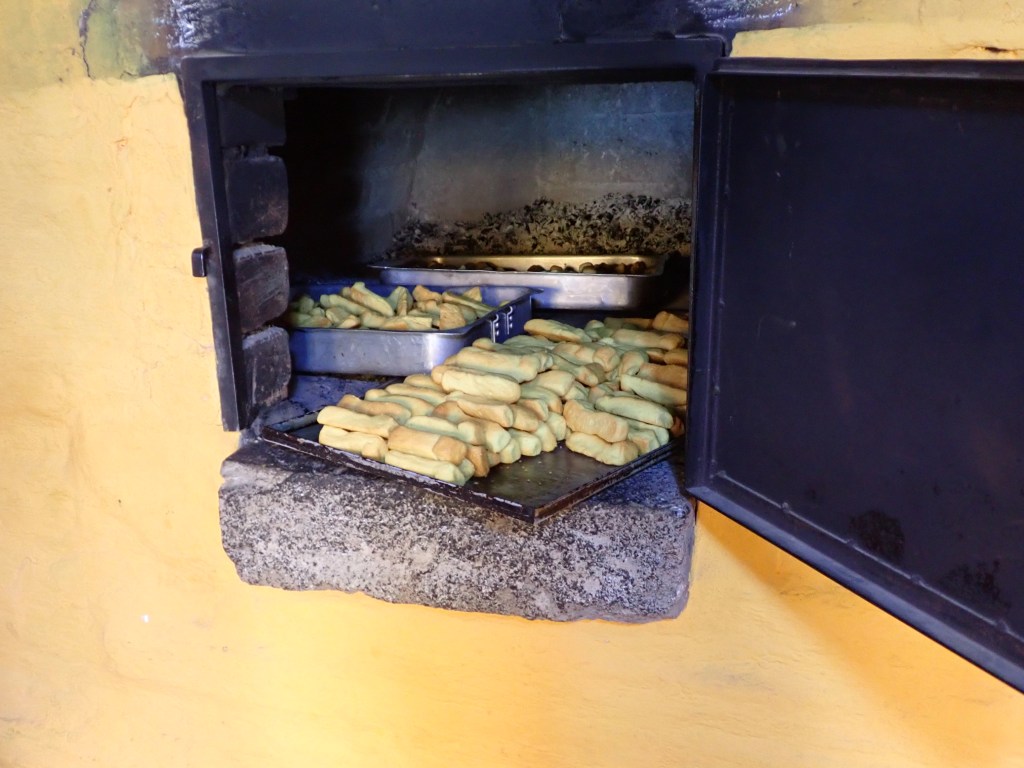
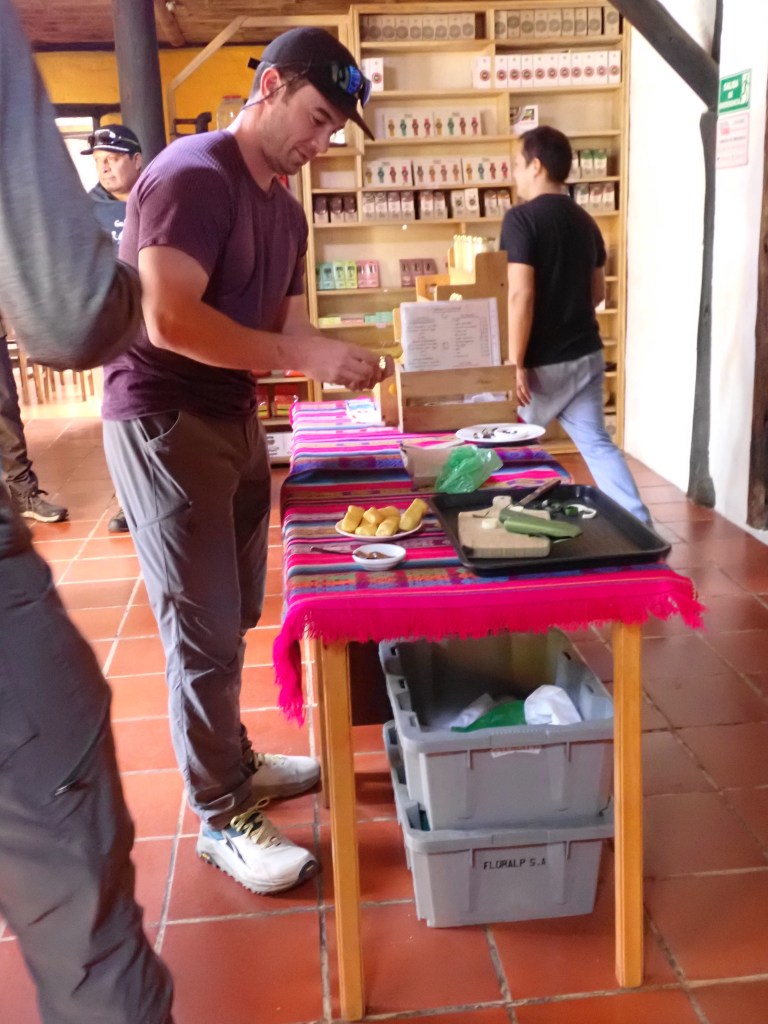
Another stop we made was in the town of Cayambe to try the local bizcocho cookies. The town of Cayambe, in the highlands of Ecuador is famous for its Bizcocho cookies. They have been baked there since the Spaniards conquered the area and brought their wheat and recipes for bread and biscuits from Europe. In 1928 a railway station opened in Cayambe and the villagers started to sell the bizcocho cookies from the platform to the travelers on the train. The buttery cookies became very popular and now it seems that the whole town is made up of bizcocherias.
Bizcocho means cookie in Spanish, but these cookies are special. They are made of yeast dough that must rise first and they hardly taste sweet at all. They are twice baked – first at a high heat and then at a low heat for several hours. You eat them with a stringy, local cheese and/or with dulce de leche caramel on top.
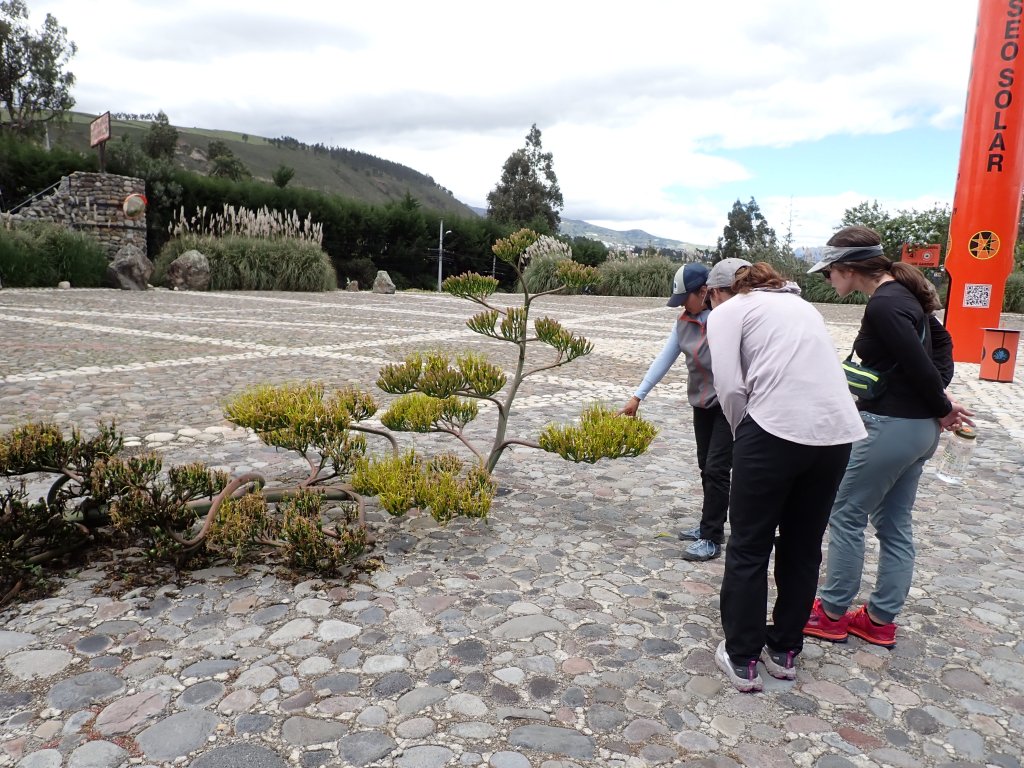
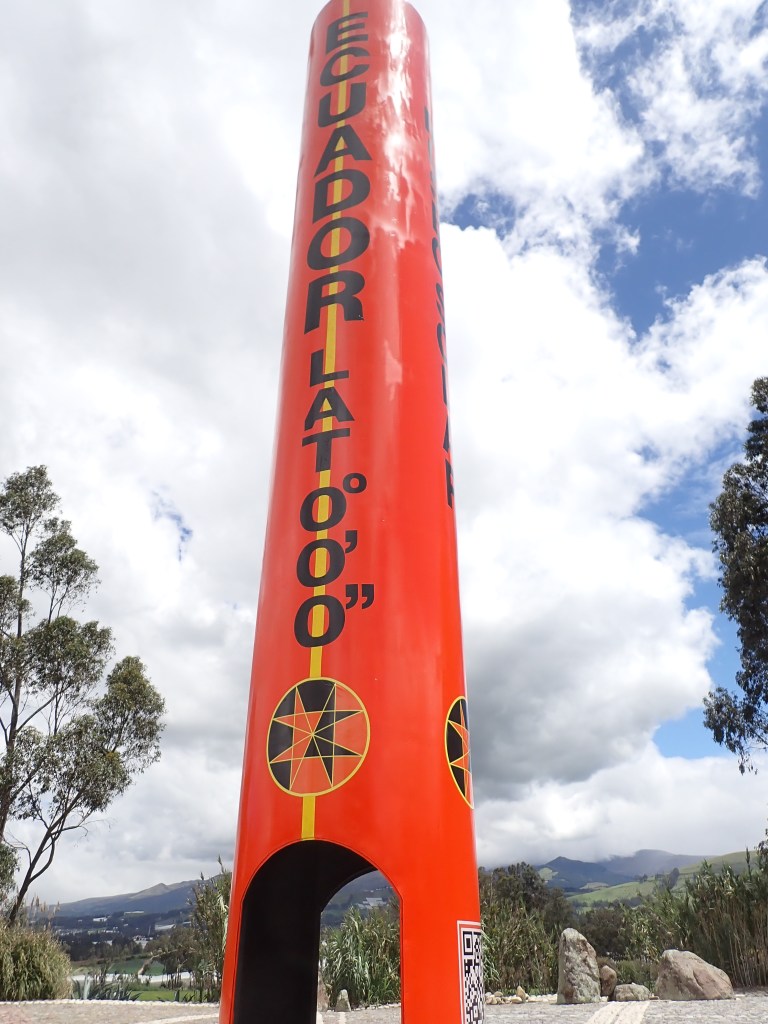
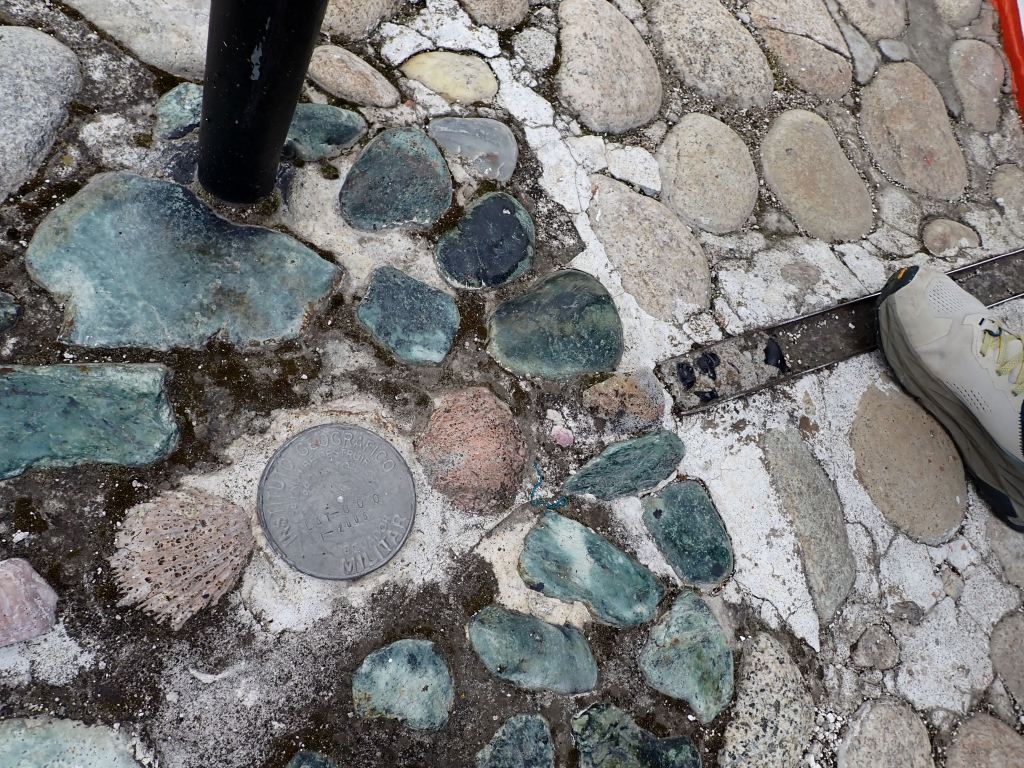
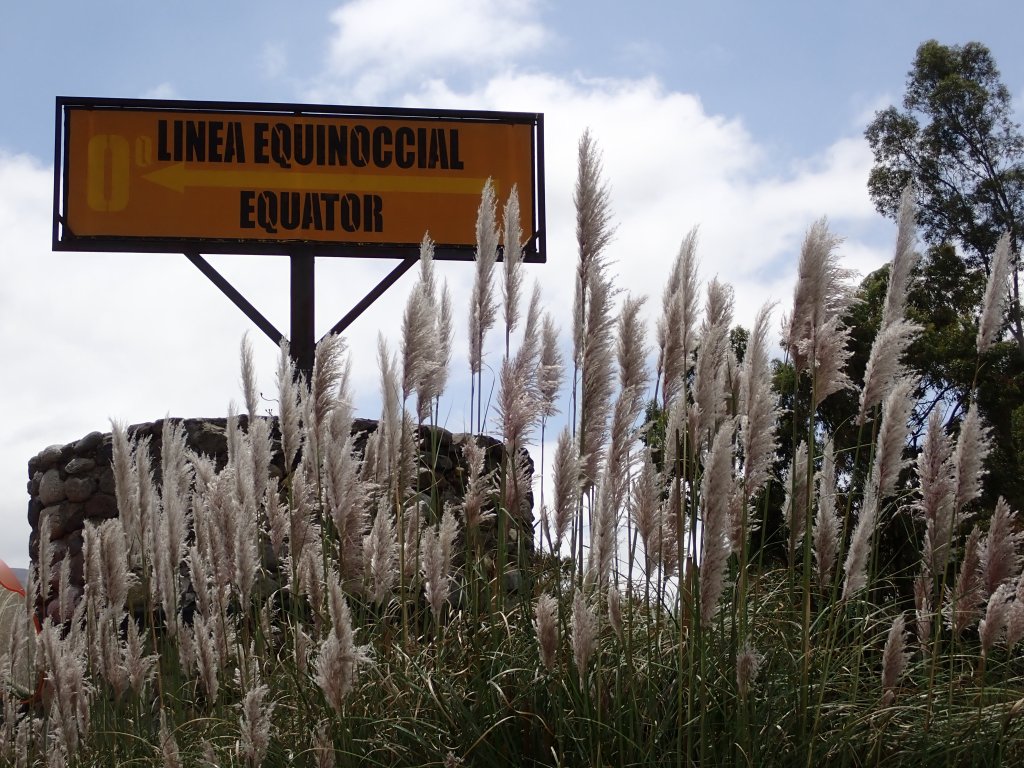
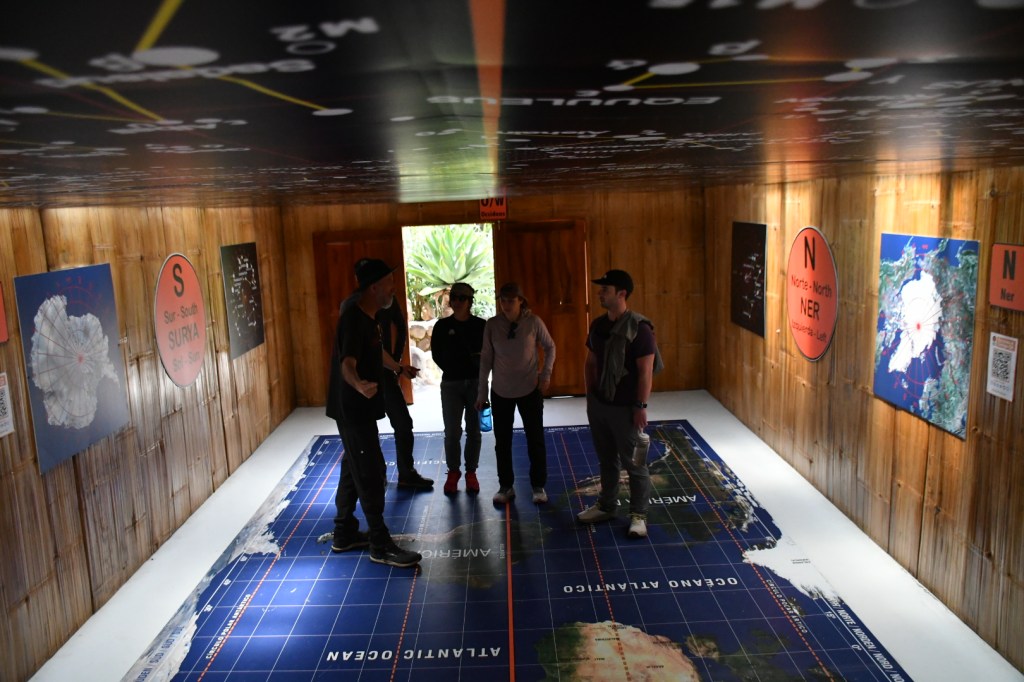
The last of the “official” tours was to the Solar Museum. This is located on the equator and you could get your phone gps to read:
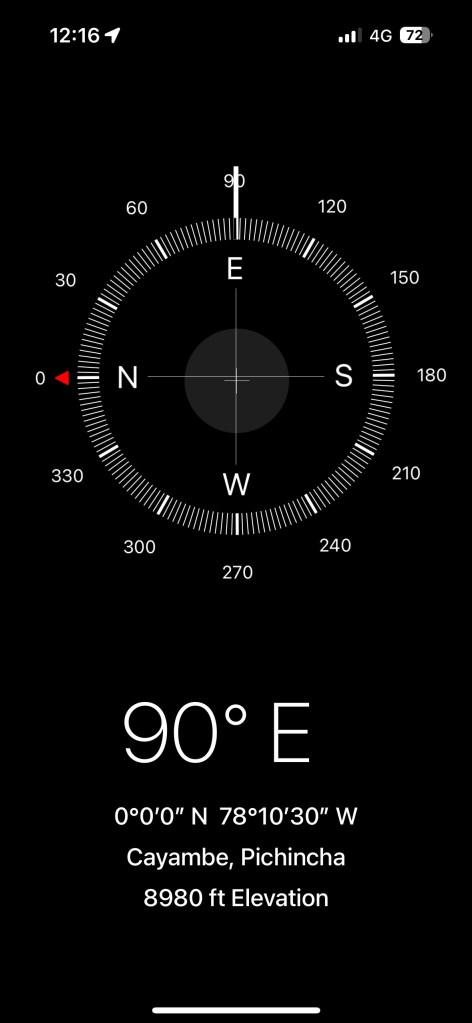
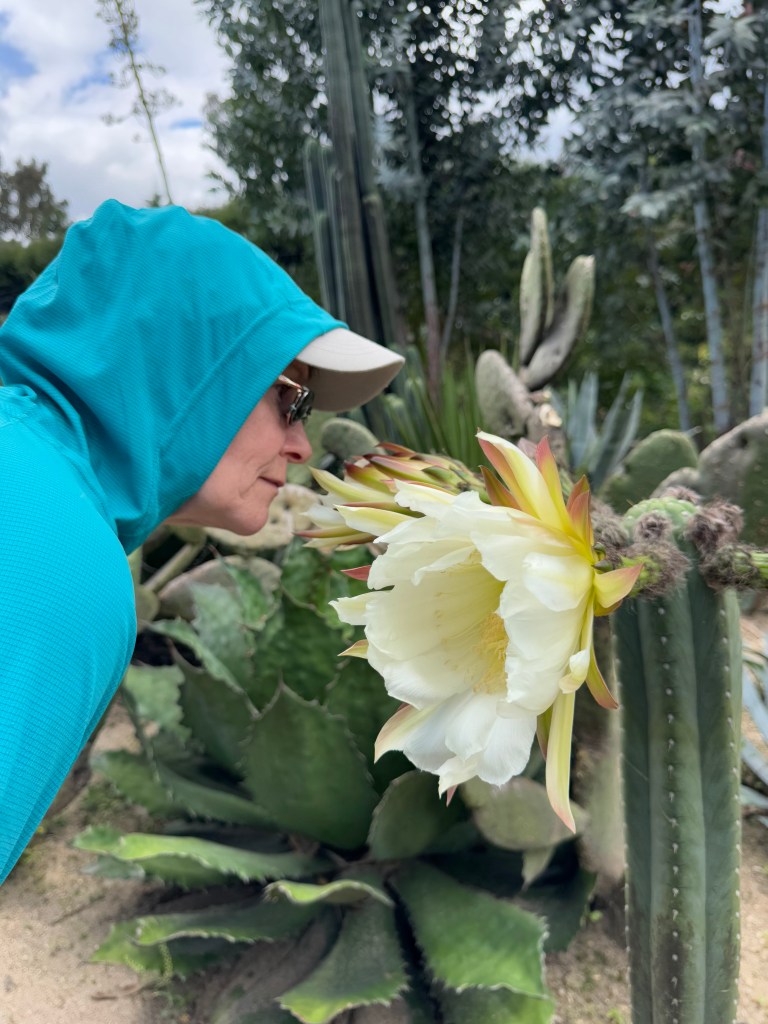
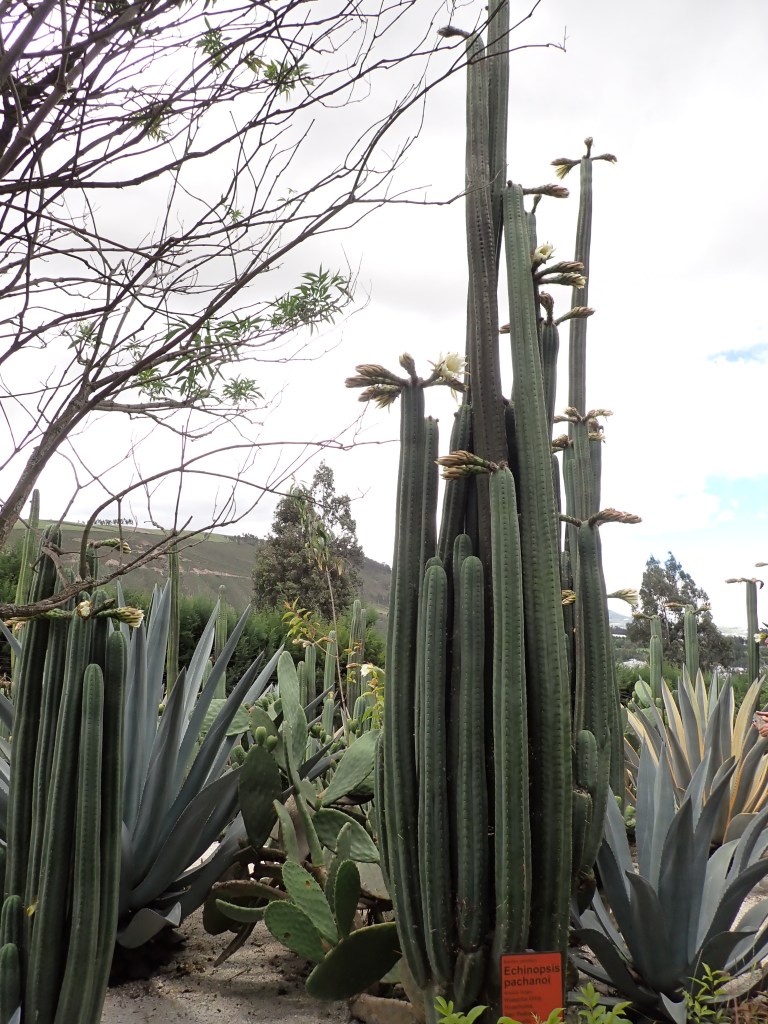
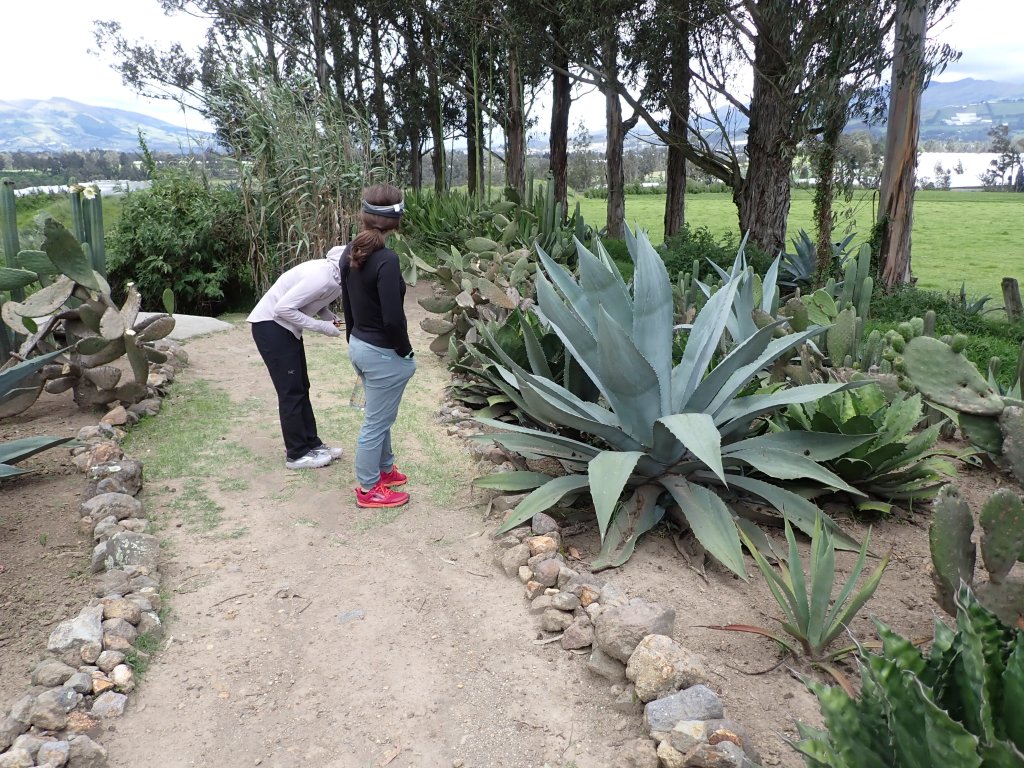
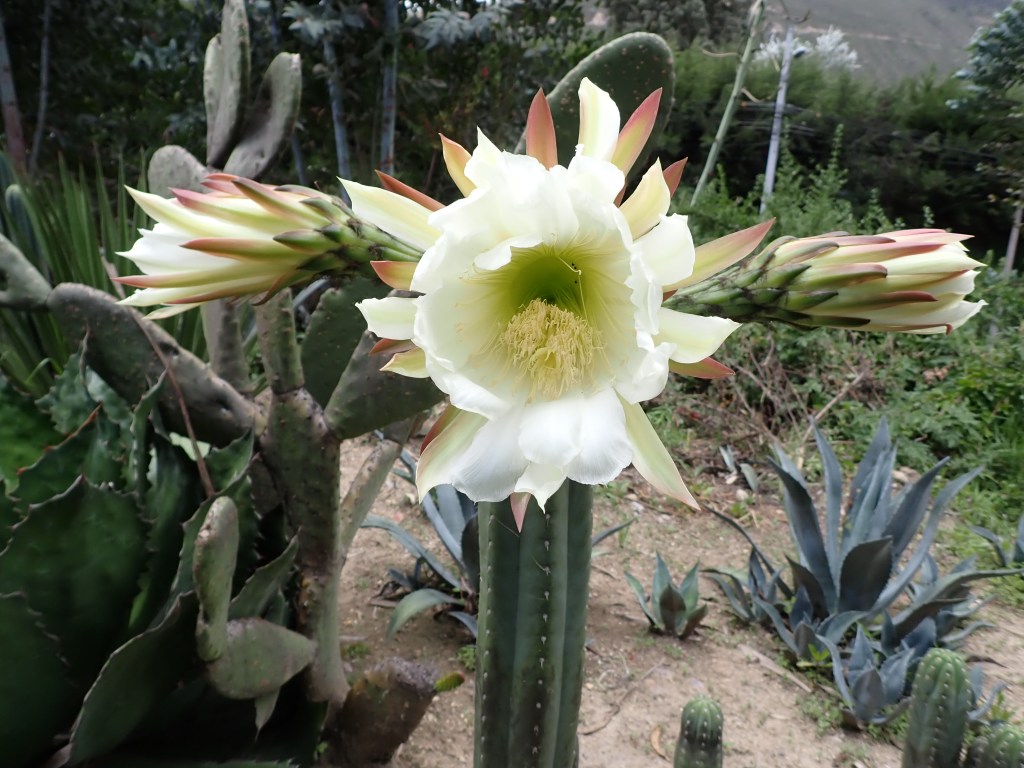
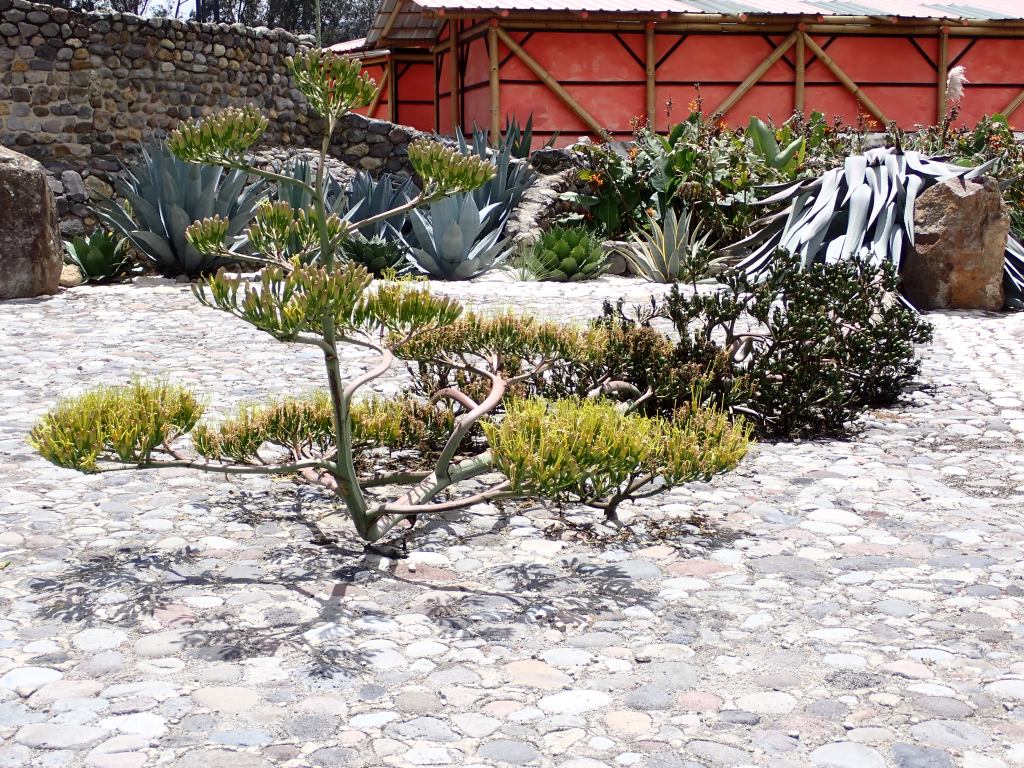
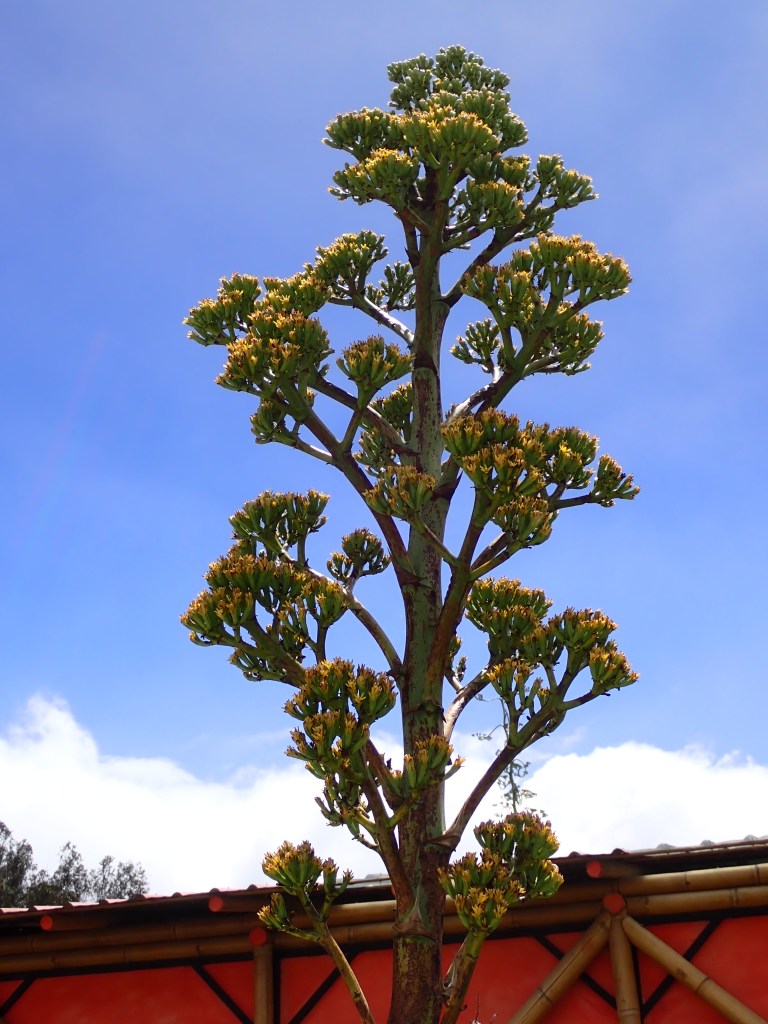
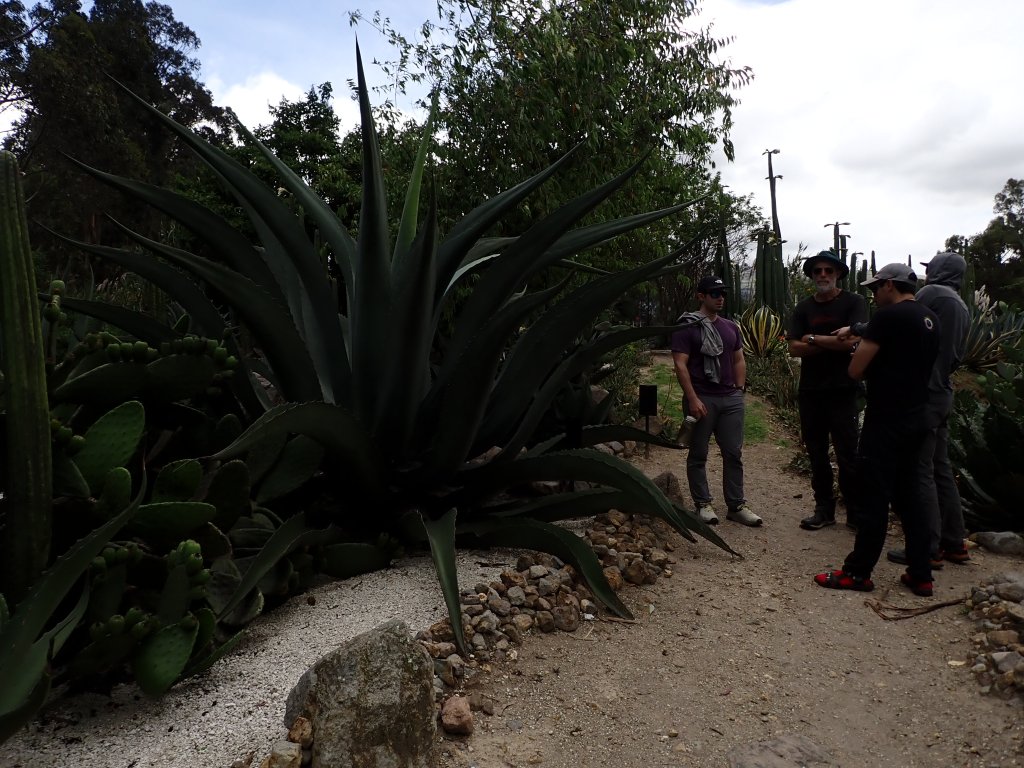
They had a beautiful garden plus a tour that talked about how the Incas determined the middle of the earth.
 Joel and Alison's Excellent Adventures